Introducing PBSERUM — Professional bioremodeling enzymes, now available
Lyase
Targets: GAGs (glycosaminoglycans) in extracellular matrix
About Lyase
Lyase clears the 'ground substance' of the skin — the gel-like matrix of sugars and proteins that fills the spaces between cells in the dermis and hypodermis. Over time, this matrix becomes congested and stiff, trapping water, slowing drainage, and limiting how well other treatments can reach deeper tissue layers. Lyase dissolves the aged sulfated sugars that clog this matrix, restoring circulation, reducing puffiness, and preparing the skin for further remodeling.
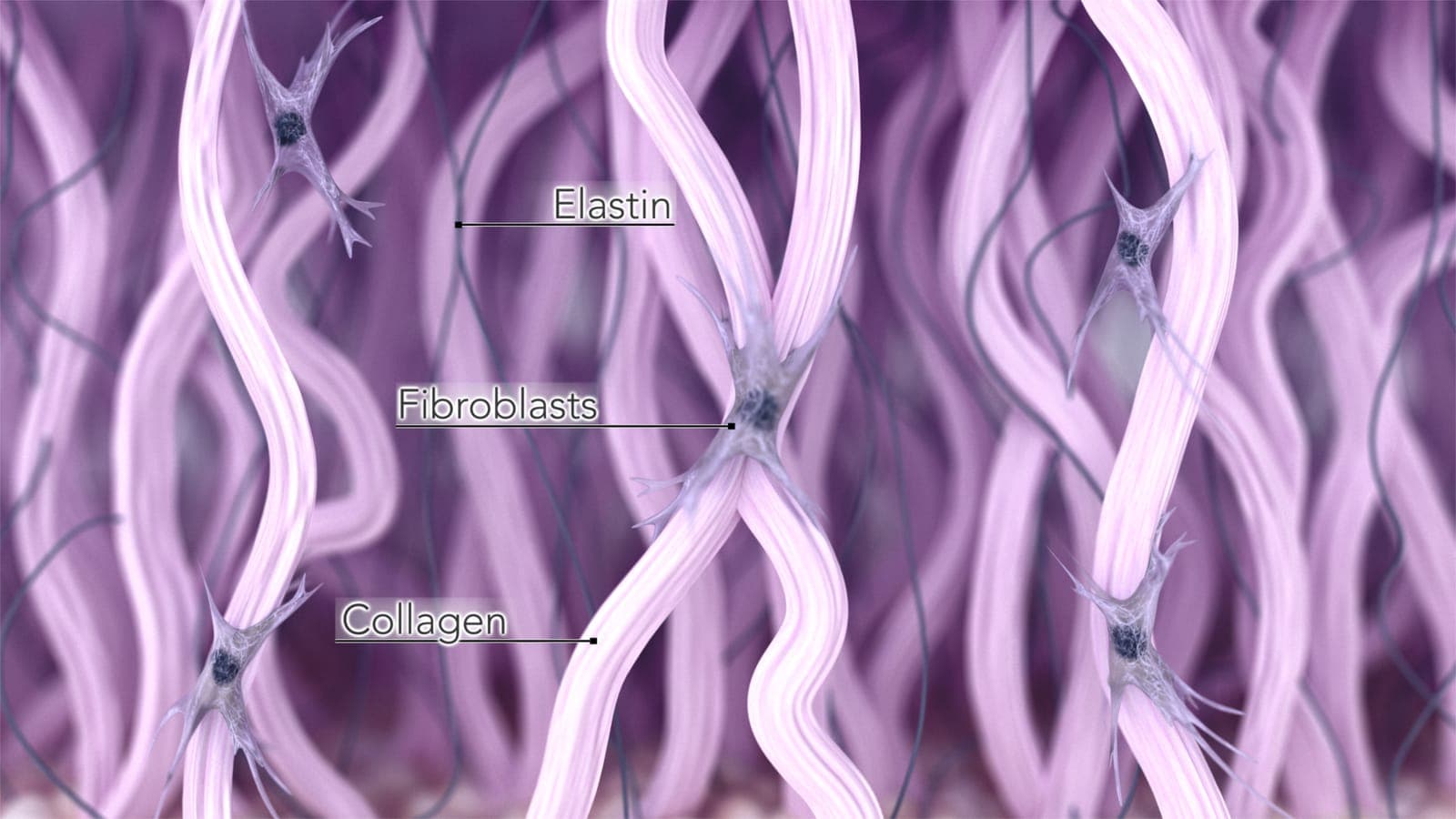
Collagen, elastin and fibroblasts in dermal tissue
Target
GAGs (glycosaminoglycans) in extracellular matrix
Mechanism
Unclogs the matrix gel mesh of proteoglycans and GAGs, improving drainage and allowing better penetration of other actives.
Effect
Improves tissue drainage, reduces congestion, enhances penetration of subsequent treatments.
Clinical Indications
How Lyase targets specific concerns, across face and body treatments.
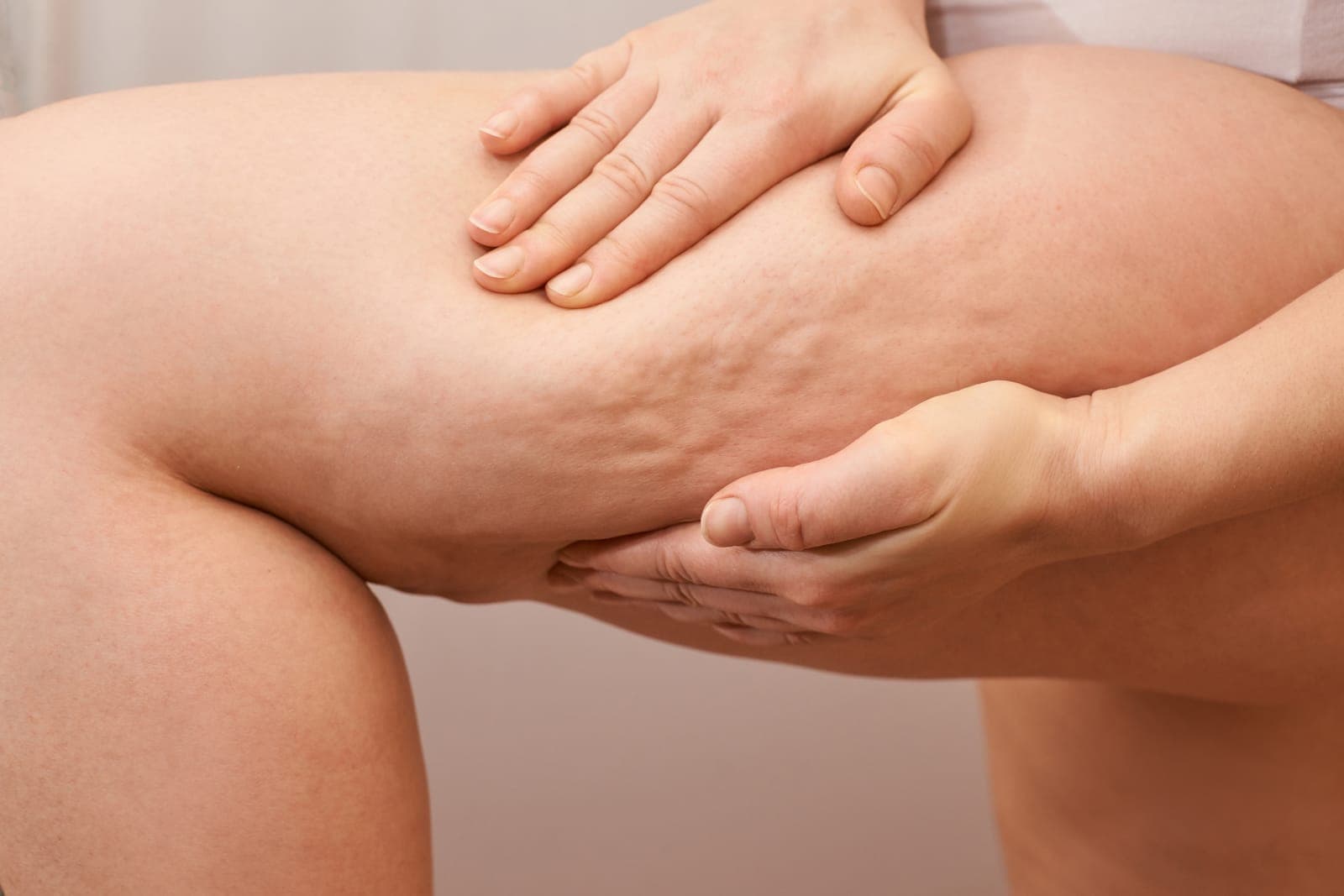
Cellulite & Congestion
Cellulite is not just about fat — it involves a congested extracellular matrix that traps water and restricts lymphatic drainage. Lyase breaks down the aged, sulfated sugars clogging this matrix, re-opening the spaces between cells. Improved drainage reduces the puffy "heavy-tissue" feel and prepares the matrix for further remodeling treatments.
Bioremodeling Cascade
Lyase acts primarily in the Reset phase — enzymes clear damaged, fragmented tissue — collagen debris, excess ha, fat deposits, matrix congestion.
Enzymes clear damaged, fragmented tissue — collagen debris, excess HA, fat deposits, matrix congestion.
The cleared environment responds optimally to active ingredients — growth factors, peptides, vitamins, antioxidants reach fibroblasts directly.
Home care supports regeneration with keratinase-enhanced penetration.
Enzyme synergies
By clearing ECM congestion first, lyase exposes fragmented collagen fibers that collagenase can then target. Sequential use maximizes the reset phase.
View enzyme →
Lyase removes the GAG barrier surrounding fat cells, allowing lipase direct access to adipocyte triglycerides for enhanced contouring.
View enzyme →Products containing Lyase
Available across 1 product line, priced in USD.
pbserum Reveal
· 3 products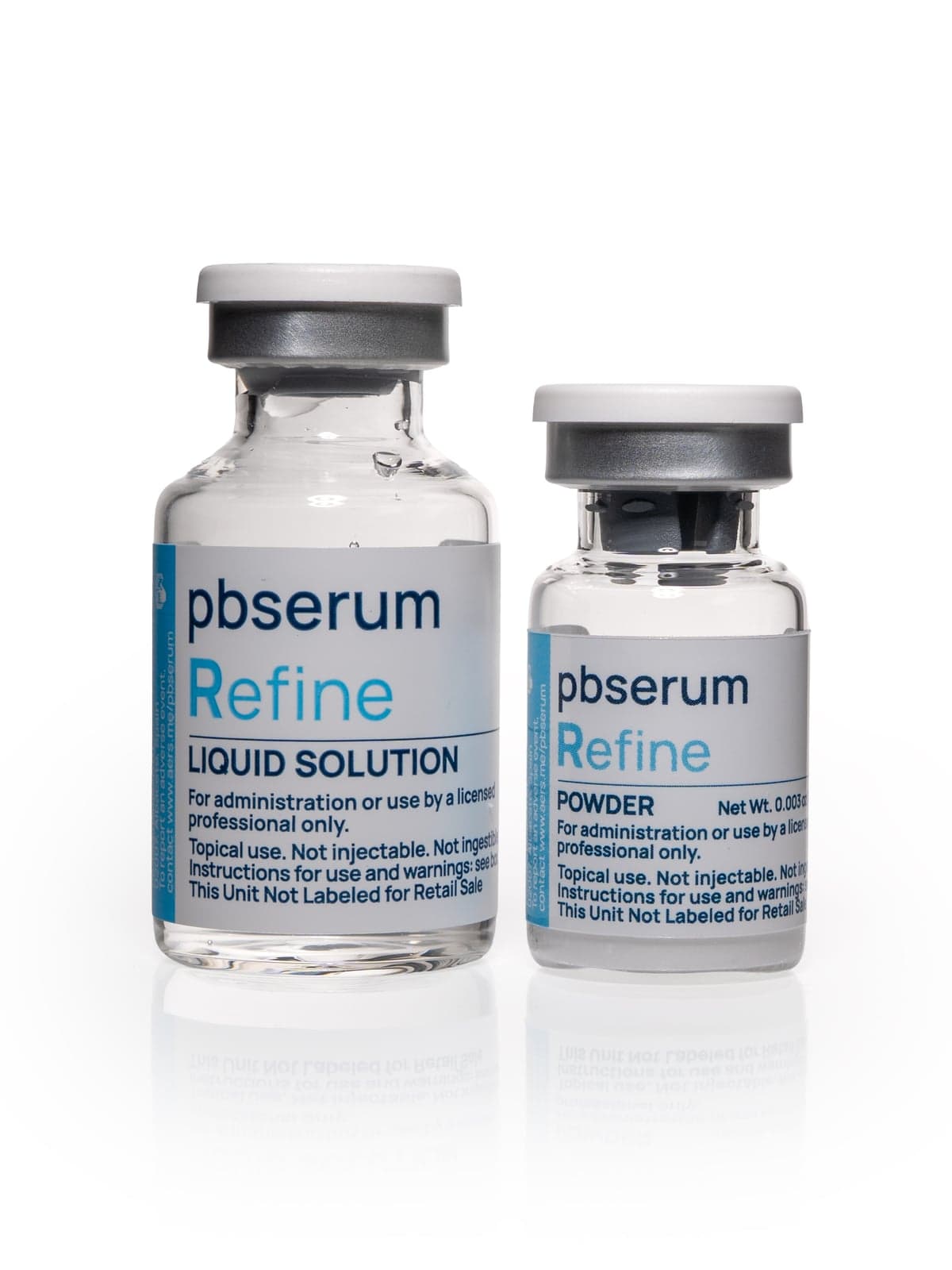
pbserum Reveal Refine
Lyase PB72K-led triple enzyme system for facial contouring. Decongests the extracellular matrix and improves drainage for a firmer, more sculpted look.
Contents: Lyophilized triple enzyme system + Reconstitution solution
From
US$175.78 (excl. tax)
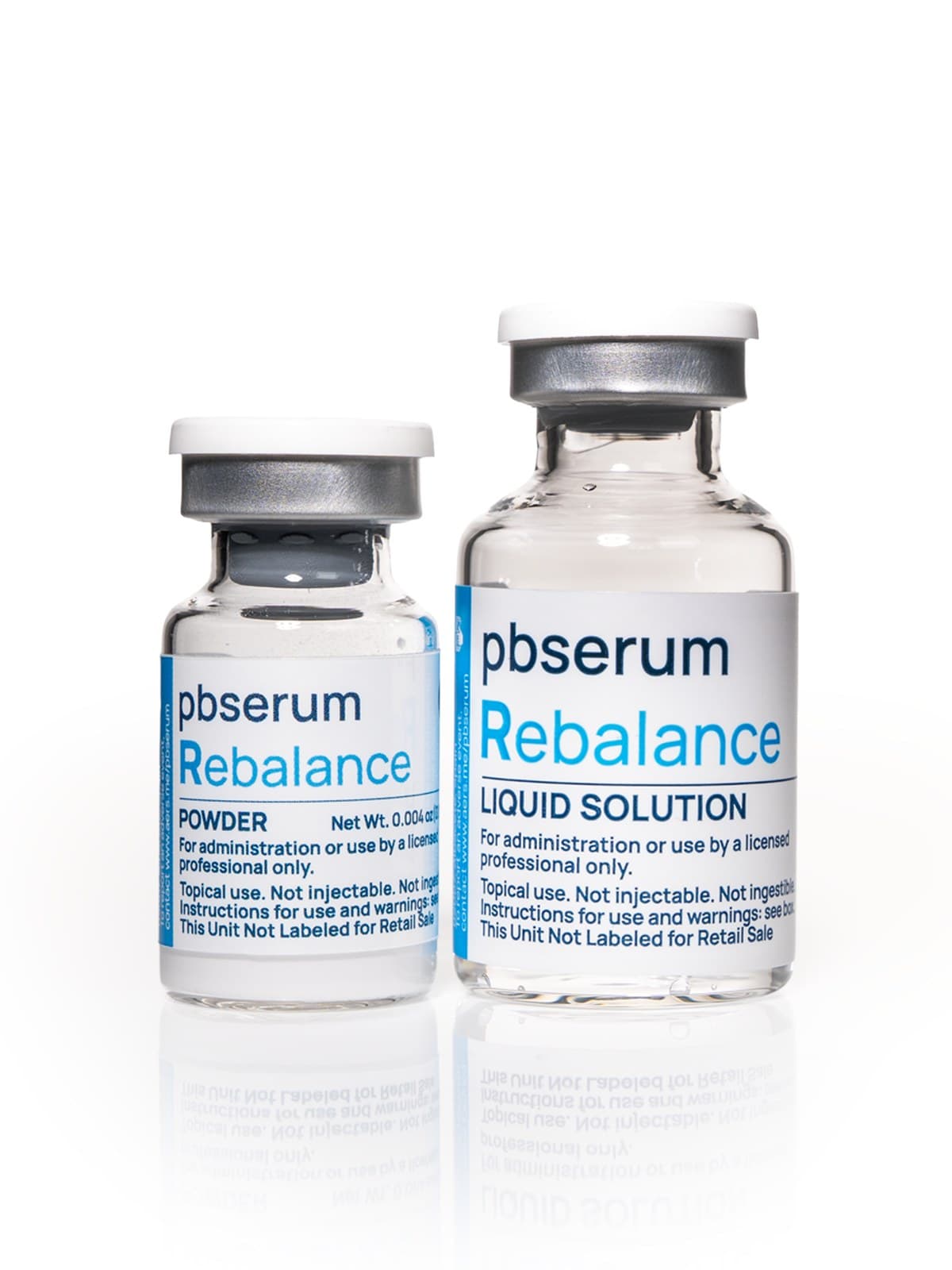
pbserum Reveal Rebalance
Lipase PB500 enzyme for body contouring and submental fat. Reduces adipose tissue by breaking down triglycerides without harming adipocyte membranes.
Contents: Lyophilized triple enzyme system + Reconstitution solution
From
US$199.22 (excl. tax)

pbserum Reveal Revive
Collagenase G&H PB220-led triple enzyme system for skin retractions and visible marks. Degrades fragmented collagen and stimulates fibroblasts to rebuild functional fibers.
Contents: Lyophilized triple enzyme system + Reconstitution solution
From
US$210.94 (excl. tax)
Deeper look at Lyase
Mechanism, clinical benefits, and technical specifications
The underlying biochemistry
Lyase PB72K is a lab-produced enzyme originally derived from a bacteria called Proteus vulgaris. It belongs to a family of enzymes called chondroitin lyases, which specialize in breaking down specific sugar chains found throughout the skin's matrix. Unlike hyaluronidase (which breaks down hyaluronic acid), PB72K targets a completely different group of sugars: the sulfated glycosaminoglycans (GAGs) — specifically chondroitin sulfate and dermatan sulfate. These are the building blocks of the skin's "ground substance" — the gel-like filler between cells that holds everything together.
Mechanism in detail
What the ground substance is — and why it gets clogged. The space between cells in your skin isn't empty — it's filled with a gel made mostly of sugars (called GAGs) and proteins that work together like a mesh. Three main GAGs do most of the structural work: chondroitin-4-sulfate, chondroitin-6-sulfate, and dermatan sulfate. They hold water, organize collagen fibers, and store growth factors that signal cells to repair and regenerate. With age and sun damage, this gel gets chemically altered — it hardens, becomes crosslinked, and resists normal turnover 5. The result: poor drainage, slowed nutrient flow to fibroblasts, and a general "clogged" feeling under the skin.
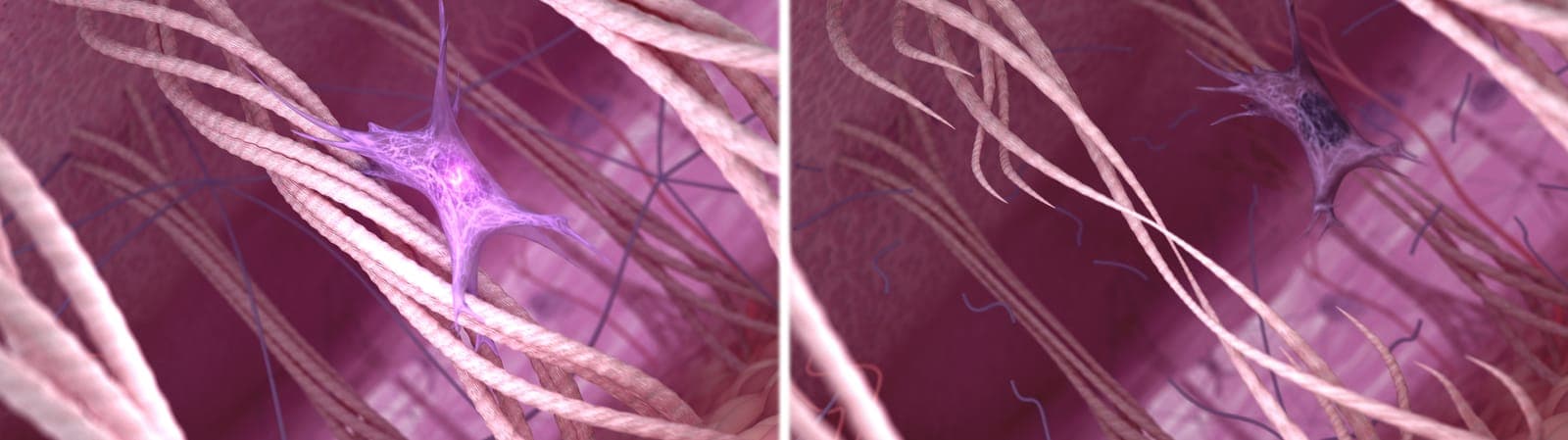
How lyase cuts through the clog. Lyase uses a unique chemistry to break the sugar chains — it doesn't need water (unlike most digestive enzymes) and it doesn't need any cofactor like zinc or calcium. It simply slices through specific links in the sugar chains, producing small fragments that can be cleared through normal lymphatic drainage. Engineered versions of chondroitinase (the lyase family PB72K belongs to) have been shown to be 2.3× more efficient than their natural counterparts when specific residues are optimized 1 — the same engineering approach gives PB72K its pharmaceutical-grade activity and purity.
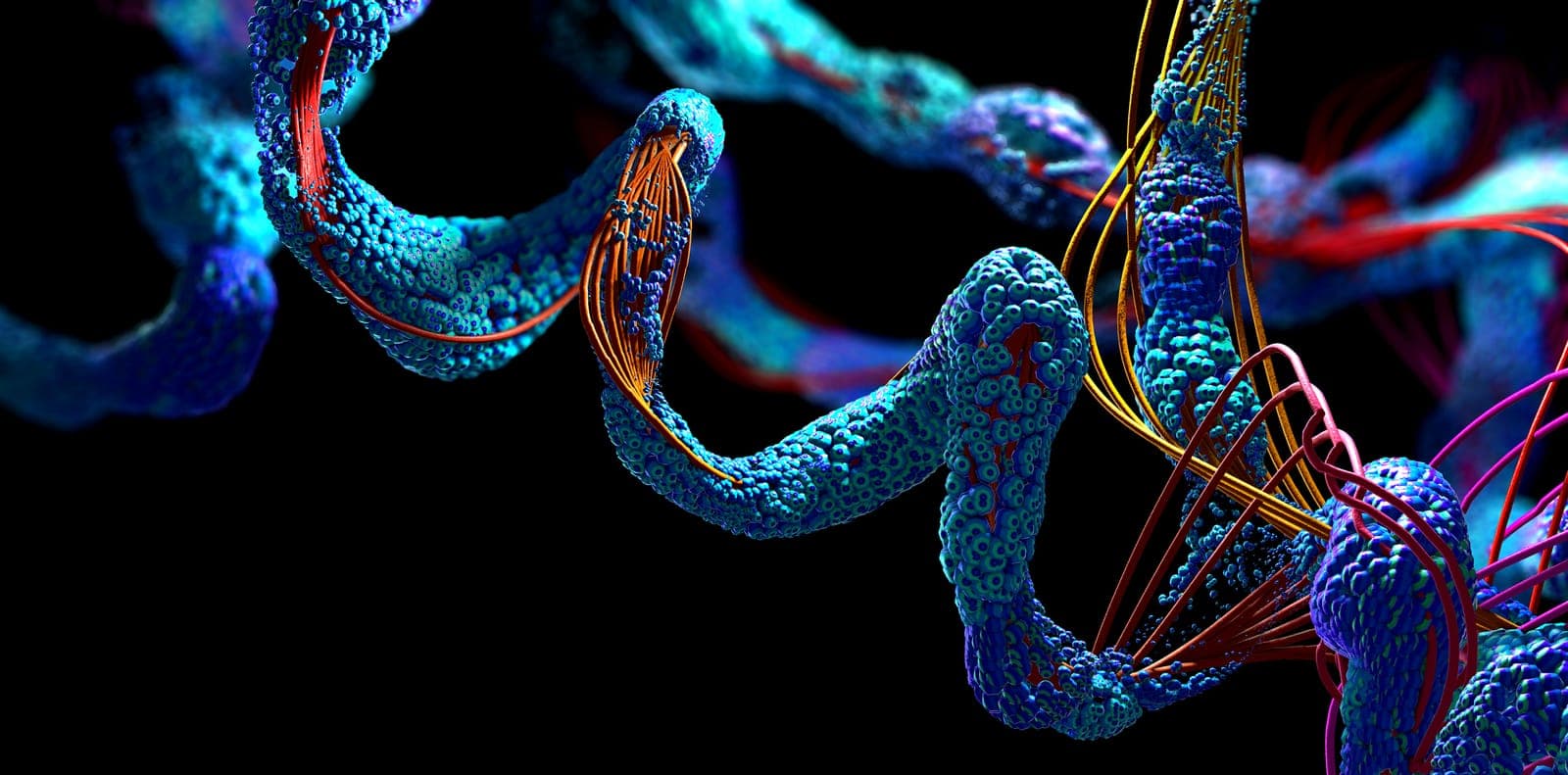
Unclogging the skin's regenerative environment. When lyase breaks down the aged, stiffened GAG network, it re-opens the spaces between cells — letting water, nutrients, and growth factors move freely again. This is the critical foundation for any regenerative treatment: studies show that GAG breakdown actually happens before collagen remodeling in photoaged skin, meaning the matrix has to be "unclogged" first 2. Without clearing the ground substance, even the strongest collagen-building treatments struggle to reach and activate fibroblasts in the deeper dermis.
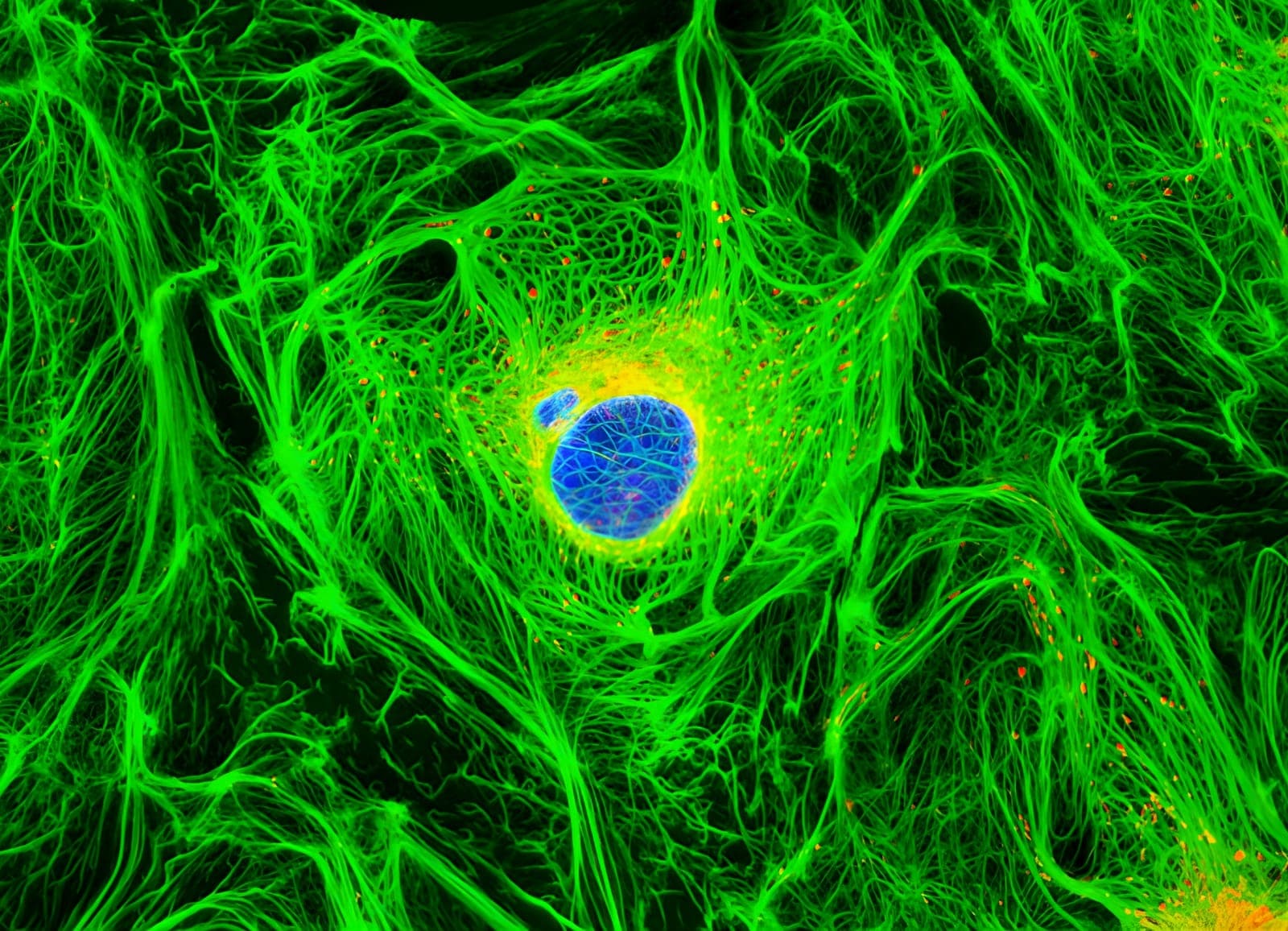
Better together — why lyase rarely works alone. Lyase is almost always used alongside other enzymes in a staged sequence. A 2024 cartilage study showed that treating tissue with chondroitinase first, then collagenase, produces far better structural reorganization than either enzyme alone 4. The aesthetic equivalent: lyase dissolves the matrix "cement" holding disorganized collagen in place, allowing collagenase to actually reach the collagen it needs to remodel. For cellulite and hypodermal concerns, pairing lyase with lipase opens the fibrous tissue around fat cells so liberated fatty acids can drain through the lymphatic system instead of re-accumulating.
Clinical benefits
- Enzymatic fragmentation of aged chondroitin sulfate and dermatan sulfate chains that resist normal metabolic turnover
- Decongestion of dermal and hypodermal ground substance, improving interstitial fluid dynamics and lymphatic drainage
- Reduction of localized edema and the "heavy-skin" feel associated with GAG-trapped water
- Softening of fibrotic septa and improvement of orange-peel texture in cellulite when combined with lipase
- Enhanced penetration of co-administered actives (peptides, vitamins, co-injected enzymes) into the dermal compartment
- Release of matrix-bound growth factors sequestered on GAG side chains, reactivating fibroblast signaling
- Priming of the matrix for subsequent collagenase-mediated remodeling and neocollagenesis protocols
- Improved skin hydration homeostasis and firmness as resynthesized GAGs replace aged, modified ones
Technical profile
- Product code
- PB72K
- Enzyme class
- Polysaccharide lyase (EC 4.2.2.-), β-elimination mechanism
- Protein family
- Chondroitin ABC lyase family (related to chondroitinase ABC I)
- Source organism
- Recombinant — wild-type enzyme from Proteus vulgaris, expressed in microbial host
- Molecular weight
- ~72 kDa (monomeric)
- Primary substrates
- Chondroitin-4-sulfate, chondroitin-6-sulfate, dermatan sulfate
- Secondary substrates
- Partial activity on hyaluronic acid and heparan-sulfate motifs
- Catalytic mechanism
- β-elimination yielding unsaturated Δ4,5-disaccharides (no hydrolysis)
- Cofactors
- None required
- pH optimum
- ~7.5–8.0 (active across physiological range)
- Temperature optimum
- 37 °C (physiological)
- Stability
- Lyophilized; reconstitute with sterile diluent
- Purity
- Recombinant, high specific activity, low endotoxin, animal-component-free
- vs Hyaluronidase (PB3000)
- Targets sulfated GAG proteoglycans — NOT hyaluronic acid
Scientific references
Peer-reviewed research underpinning the mechanism and clinical evidence above.
- 1Pourahmadi M, Shirdel A, Jamshidi N, et al.. Comparing similar versions of a connecting helix on the structure of Chondroitinase ABC I. Enzyme Microb Technol, 2022.
Recombinant Chondroitinase ABC I from Proteus vulgaris re-engineered at the connecting helix yielded a mutant with ~2.3-fold higher catalytic efficiency. Directly relevant to the recombinant lyase class used in PB72K.
- 2Yoshida H, Okada Y. Role of HYBID (KIAA1199/CEMIP) in Hyaluronan Degradation in Normal and Photoaged Skin. Int J Mol Sci, 2019.
Dermal collagen/elastin integrity depends on the hyaluronan-proteoglycan network; GAG degradation precedes fibrillar breakdown in photoaged skin. Supports controlled GAG turnover as a prerequisite for dermal remodeling.
- 3Mizumoto S, Yamada S. Histories of Dermatan Sulfate Epimerase and Dermatan 4-O-Sulfotransferase. Genes (Basel), 2023.
Dermatan sulfate and its proteoglycans are indispensable for ECM assembly and cell signaling; DS-deficient models exhibit vascular abnormalities and skin fragility. Establishes the biological rationale for DS/CS-targeting enzymes.
- 4Burdis R, Gallostra XB, Kelly DJ. Temporal Enzymatic Treatment to Enhance the Remodeling of Multiple Cartilage Microtissues into a Structurally Organized Tissue. Adv Healthc Mater, 2024.
Temporally controlled enzymatic treatment (including chondroitinase) loosens GAG networks enough to allow structural reorganization. Demonstrates the synergy principle underlying lyase + collagenase combinations.
- 5Ozols M, Eckersley A, Mellody KT, et al.. Peptide location fingerprinting reveals modification-associated biomarker candidates of ageing in human tissue proteomes. Aging Cell, 2021.
Aging dermis accumulates modified, glycated, crosslinked matrix proteins that resist normal turnover — producing the "congested" matrix that enzymatic intervention targets.
- 6Sun X, Liu H, Tan Z, et al.. Remodeling Microenvironment for Endogenous Repair through Precise Modulation of Chondroitin Sulfate Proteoglycans. Small, 2023.
Targeted CSPG modulation, benchmarked against chondroitinase ABC, produced a permissive ECM that supported tissue regrowth. Confirms CSPG/GAG clearance as a central lever for matrix regeneration.
Citations link to PubMed or DOI. Click any reference title or identifier to open the source.