Introducing PBSERUM — Professional bioremodeling enzymes, now available

Lipase
Targets: Triglycerides in fat cells
About Lipase
Lipase is an enzyme that breaks down fat. It targets the triglycerides stored inside fat cells and hydrolyzes them into smaller fatty acids and glycerol that the body can clear through normal lymphatic and metabolic pathways. Applied topically in cosmetic treatments, lipase works directly on localized fat deposits without needing the hormonal signals that normally gate the body's own fat-burning — making it a targeted, non-invasive option for body contouring and cellulite support.
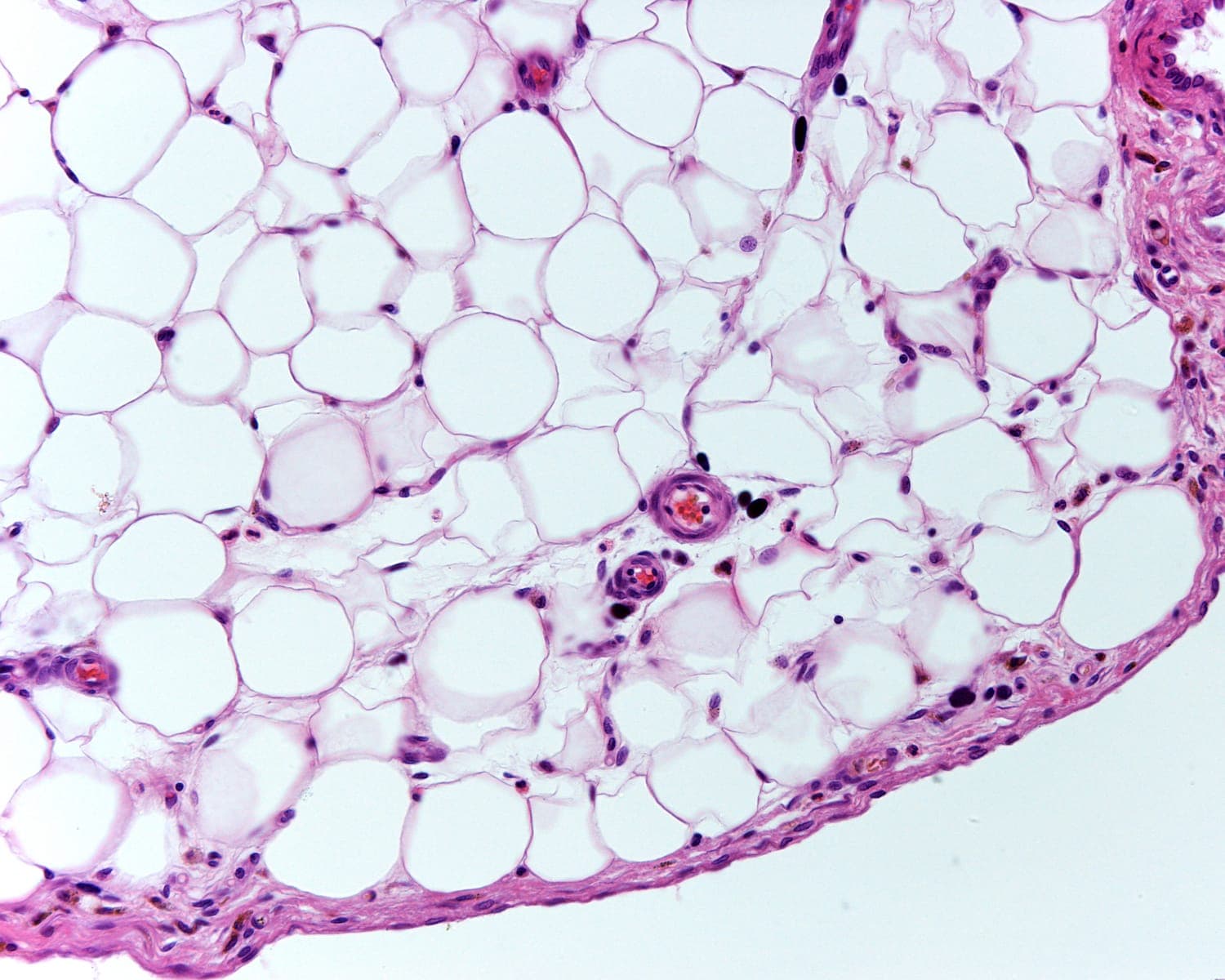
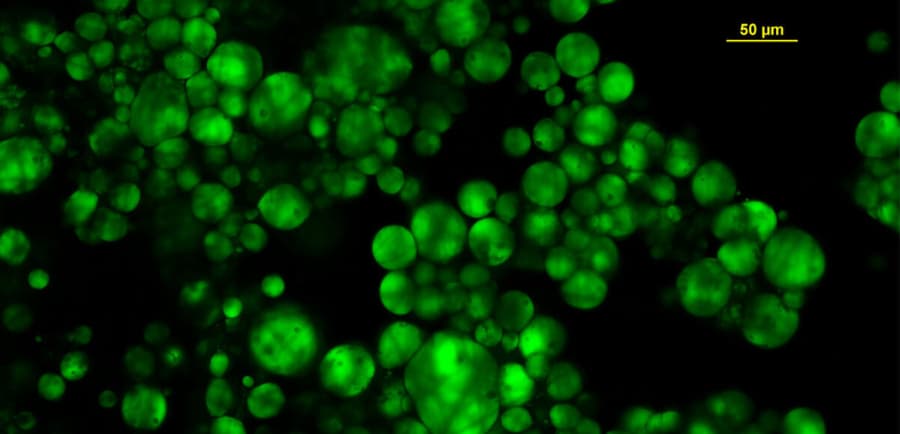
Adipose tissue under H&E staining
Target
Triglycerides in fat cells
Mechanism
Breaks down triglycerides stored in adipocytes, reducing fat cell volume without hormonal dependence.
Effect
Reduces localized fat deposits, contours body and submental areas.
Clinical Indications
How Lipase targets specific concerns, across face and body treatments.
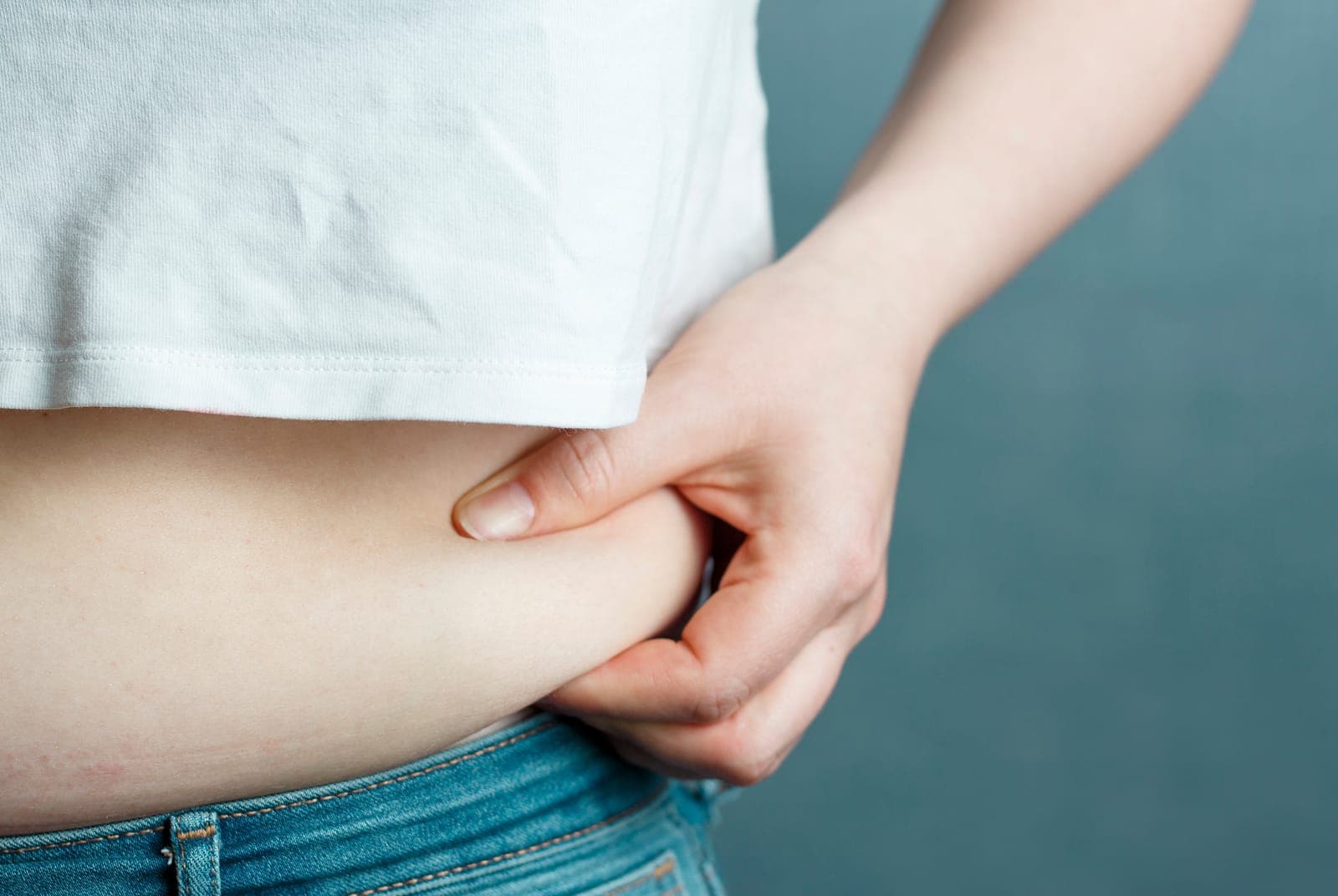
Localized Fat Deposits
Stubborn fat pockets — love handles, abdominal rolls, inner-thigh deposits, bra fat — resist diet and exercise because the body only burns stored fat when specific hormonal conditions are met. Lipase bypasses this hormonal gate entirely: applied topically on a targeted zone, it works directly on the triglycerides stored in adjacent fat cells, releasing them for lymphatic clearance.
Bioremodeling Cascade
Lipase acts primarily in the Reset phase — enzymes clear damaged, fragmented tissue — collagen debris, excess ha, fat deposits, matrix congestion.
Enzymes clear damaged, fragmented tissue — collagen debris, excess HA, fat deposits, matrix congestion.
The cleared environment responds optimally to active ingredients — growth factors, peptides, vitamins, antioxidants reach fibroblasts directly.
Home care supports regeneration with keratinase-enhanced penetration.
Enzyme synergies

Lyase clears the ECM gel mesh surrounding fat cells, exposing more adipocytes to lipase action. This synergy significantly enhances body contouring results.
View enzyme →
After lipase reduces fat volume, collagenase clears damaged collagen in the area, allowing the skin to retract and firm over the newly contoured tissue.
View enzyme →Products containing Lipase
Available across 2 product lines, priced in USD.
pbserum Reveal
· 3 products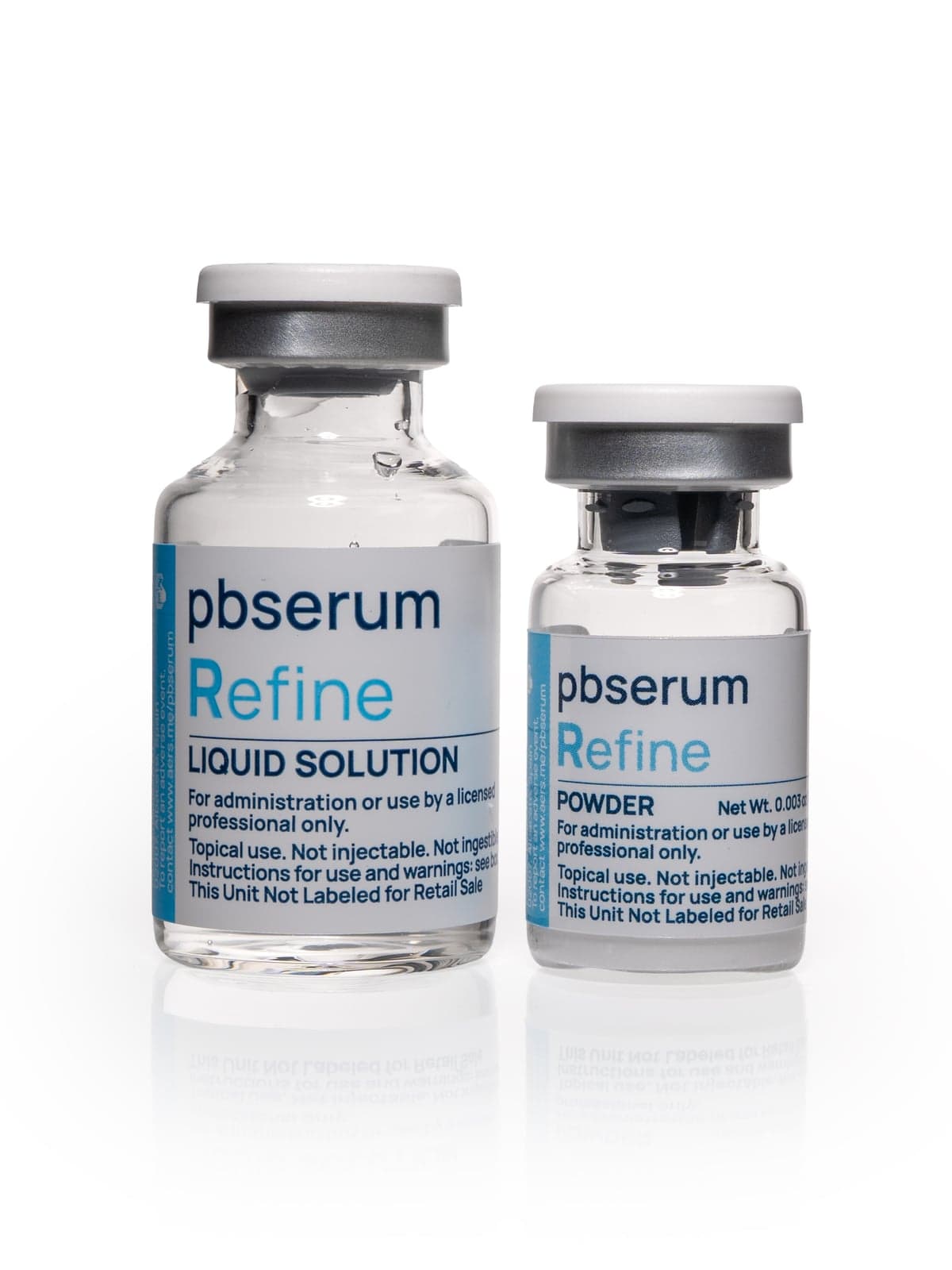
pbserum Reveal Refine
Lyase PB72K-led triple enzyme system for facial contouring. Decongests the extracellular matrix and improves drainage for a firmer, more sculpted look.
Contents: Lyophilized triple enzyme system + Reconstitution solution
From
US$175.78 (excl. tax)
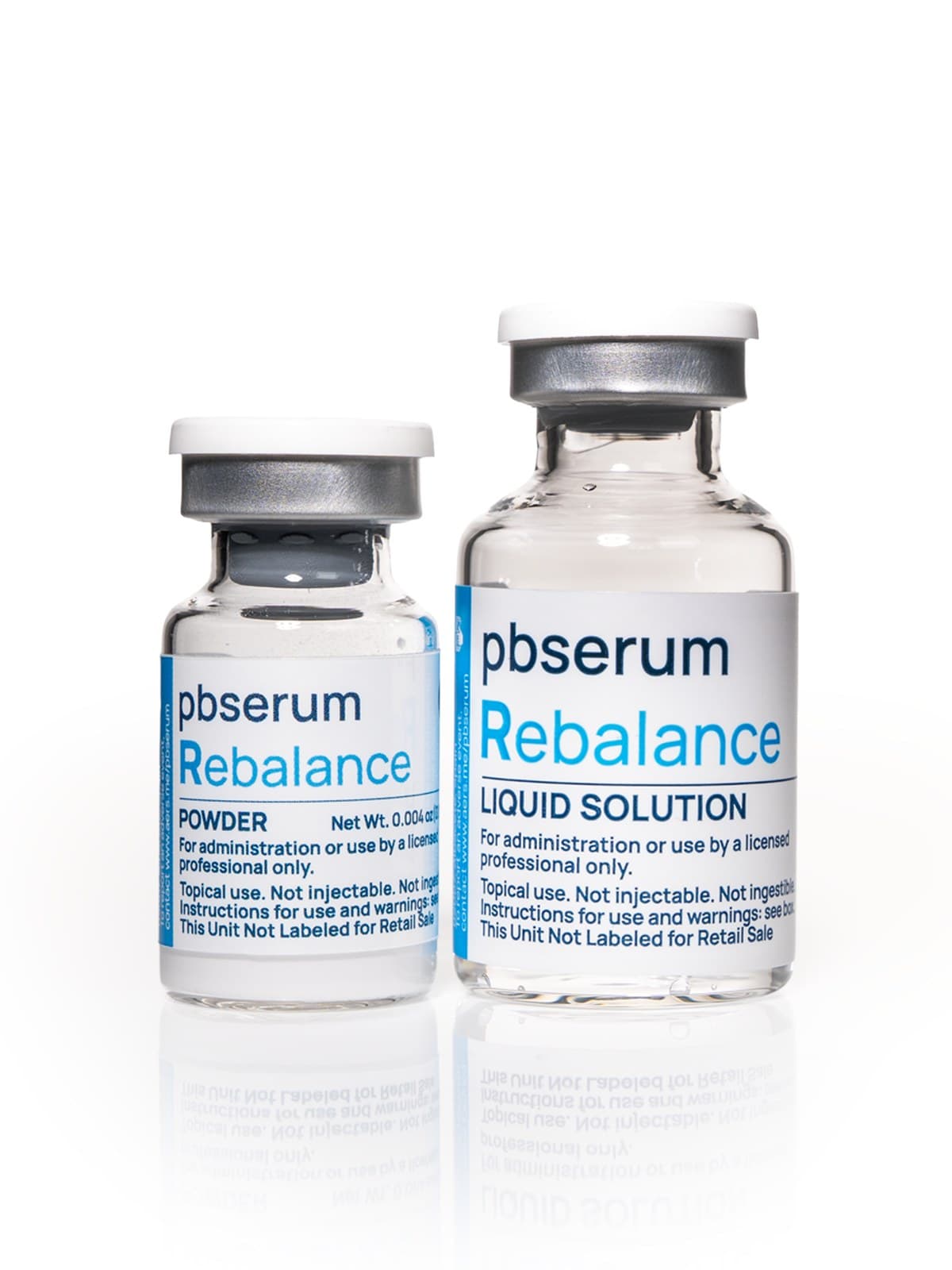
pbserum Reveal Rebalance
Lipase PB500 enzyme for body contouring and submental fat. Reduces adipose tissue by breaking down triglycerides without harming adipocyte membranes.
Contents: Lyophilized triple enzyme system + Reconstitution solution
From
US$199.22 (excl. tax)
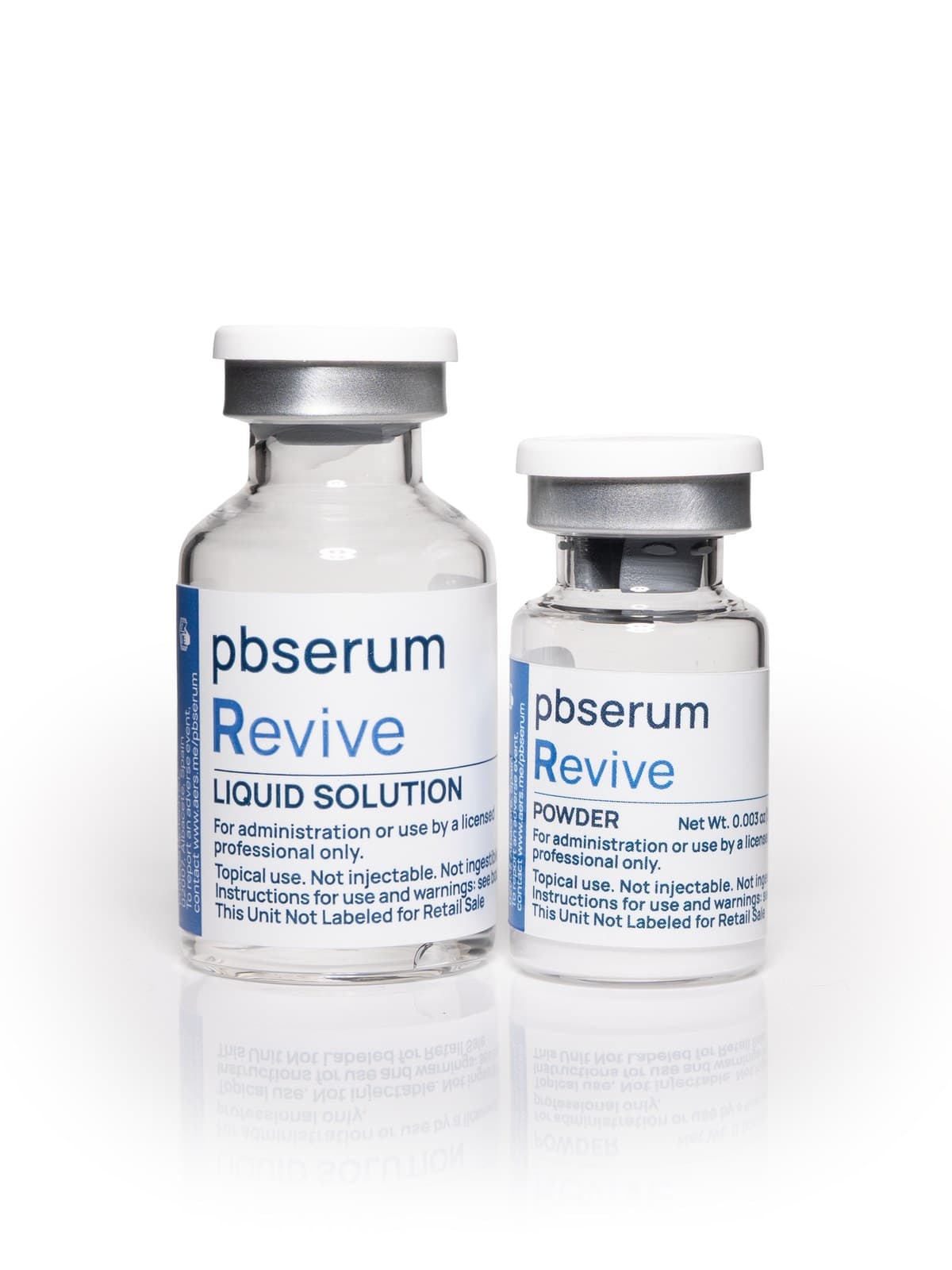
pbserum Reveal Revive
Collagenase G&H PB220-led triple enzyme system for skin retractions and visible marks. Degrades fragmented collagen and stimulates fibroblasts to rebuild functional fibers.
Contents: Lyophilized triple enzyme system + Reconstitution solution
From
US$210.94 (excl. tax)
pbserum Plus
· 1 product
Deeper look at Lipase
Mechanism, clinical benefits, and technical specifications
The underlying biochemistry
Lipase is an enzyme naturally produced by many microbes that breaks down fats — specifically, it cuts the bonds in triglycerides (the main form of stored fat) to release smaller fatty acids and glycerol. PBSERUM PB500 is a lab-produced version of a microbial lipase, purified to pharmaceutical-grade quality with consistent activity from batch to batch. What makes it useful for aesthetic medicine is that normally, fat cells only release their stored triglycerides when the body sends specific hormonal signals (adrenaline, fasting). PB500 bypasses this entirely — applied topically, it works directly on the stored fat, wherever the product is placed.
Mechanism in detail
How fat is normally stored. Fat cells store triglycerides inside tiny droplets wrapped in a protein coat. To release that stored fat, the body has to go through a complex hormonal cascade — adrenaline signals to a messenger called cAMP, which activates an enzyme called PKA, which finally unlocks the fat droplets by modifying their protein coat 1. This means the body only burns stored fat when specific hormonal conditions are met (fasting, exercise, stress response), which makes targeted, localized fat reduction very difficult to achieve through the body's own pathways.
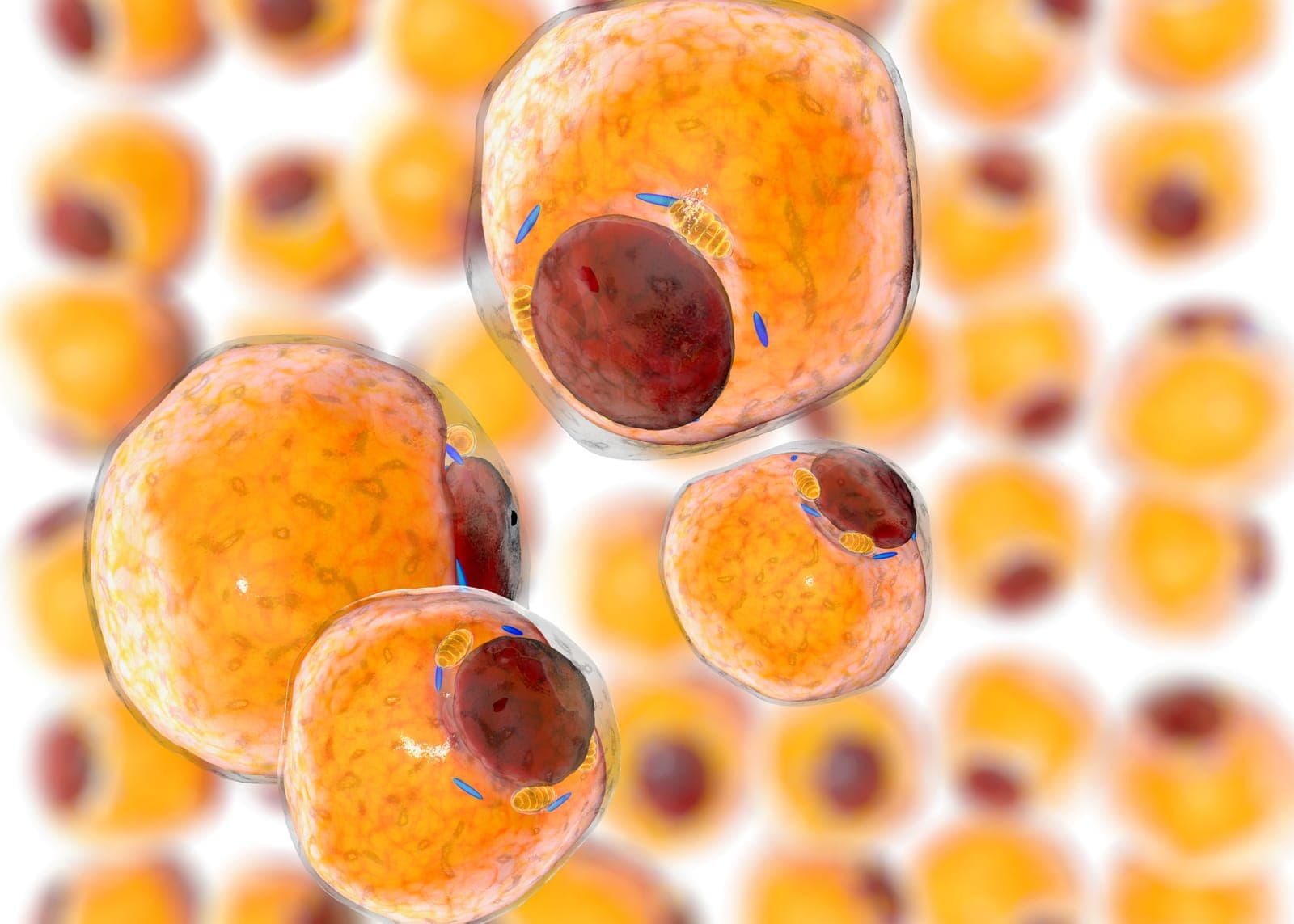
Skipping the hormonal gate. PB500 is applied from the outside, so it doesn't need any of those hormonal signals to work. The enzyme goes straight for the triglycerides and cuts them directly, releasing fatty acids locally. Because it's applied topically on a specific area, the effect stays where you put it — it doesn't flood the body with systemic free fatty acids the way oral fat-burners or metabolic stimulants can.
Why the recombinant version matters. Lipase enzymes naturally exist in many microbes — from yeasts like Candida to bacteria like Pseudomonas and Bacillus 4. Traditionally these were extracted from bacterial cultures, which came with variable purity and unpredictable batch-to-batch differences. PB500 is produced recombinantly: a pure, endotoxin-controlled enzyme with consistent activity across every batch — the kind of reliability that clinical protocols require.

A different approach to body contouring. Other non-surgical fat reduction options work in very different ways. Cryolipolysis (fat freezing) kills fat cells with cold; the body then clears the dead cells over weeks 6. Injection lipolysis (e.g., deoxycholic acid) dissolves the fat cell membrane chemically, which causes noticeable swelling and inflammation 7. HIFU uses focused ultrasound to burn fat cells with heat. PB500 is different: instead of destroying cells, it simply reduces their stored fat content — a milder, lower-inflammation, topical process that can be repeated session after session without downtime.
Clinical benefits
- Supports localized lipolytic activity in topical protocols for body contouring and cellulite-prone areas
- Hormone-independent mechanism — active without requiring β-adrenergic stimulation or fasting state
- Substrate-level hydrolysis (TAG → FFA + glycerol) rather than cell-lytic destruction, reducing local inflammation vs injection lipolysis
- Non-injectable, topical application with minimal downtime vs cryolipolysis, HIFU, or DCA injection
- Synergistic with manual/mechanical techniques (massage, radiofrequency, ultrasound) that enhance transcutaneous delivery
- Session-repeatable with graded, cumulative effect suited to maintenance contouring protocols
- Recombinant origin delivers consistent specific activity and endotoxin-controlled purity
- Complements collagenase (fibrosis clearance) and lyase (ECM drainage) in combined cellulite protocols
Technical profile
- Product code
- PB500
- Enzyme class
- Carboxylic ester hydrolase (EC 3.1.1.3)
- Catalytic fold
- α/β hydrolase fold with Ser-His-Asp catalytic triad
- Source organism
- Recombinant microbial (Candida/Pseudomonas/Bacillus class)
- Production
- Recombinant expression in controlled host; endotoxin-controlled
- Substrate
- Triacylglycerols (preferential cleavage at sn-1 and sn-3 ester bonds)
- Products
- Free fatty acids + di-/monoacylglycerols + glycerol
- Substrate specificity
- Broad chain-length tolerance (short-, medium-, long-chain TG)
- pH range
- ~6.0 to 8.5, optimum near neutral
- Temperature range
- Active at skin surface temperature
- Stability
- Lyophilized format; reconstituted for topical session use
- Mechanism class
- Hormone-independent exogenous triglyceride hydrolysis
- Regulatory class
- Cosmetic / professional topical enzyme (non-injectable)
Scientific references
Peer-reviewed research underpinning the mechanism and clinical evidence above.
- 1Yang A, Mottillo EP. Adipocyte lipolysis: from molecular mechanisms of regulation to disease and therapeutics. Biochem J, 2020.
TAG is stored in lipid droplets coated with perilipins; mobilization requires perilipin phosphorylation to expose substrate to lipases. Provides molecular rationale for why applied lipase bypasses endogenous cAMP/PKA gating.
- 2
HSL is the hormonally regulated neutral lipase responsible for intracellular breakdown of di- and tri-acylglycerols; activity depends on PKA phosphorylation downstream of catecholamine signaling. Contrasts with hormone-independent action of applied microbial lipases.
- 3Cerk IK, Wechselberger L, Oberer M. Adipose Triglyceride Lipase Regulation: An Overview. Curr Protein Pept Sci, 2018.
ATGL is the rate-limiting enzyme for release of fatty acids from intracellular triacylglycerol stores. Regulation is coactivator-dependent (CGI-58/ABHD5), distinct from HSL control.
- 4Benjamin S, Pandey A. Candida rugosa lipases: molecular biology and versatility in biotechnology. Yeast, 1998.
Candida rugosa lipase exhibits more applications than almost any other biocatalyst, with broad substrate tolerance across TAG chain lengths and regio-selectivity suited to cosmetic/topical use.
- 5Kennedy J, Verne S, Griffith R, et al.. Non-invasive subcutaneous fat reduction: a review. J Eur Acad Dermatol Venereol, 2015.
Comparative overview of cryolipolysis, radiofrequency, HIFU, low-level laser, and injectable lipolytics; frames the clinical niche for enzymatic topical approaches (lower downtime, non-thermal).
- 6
Cryolipolysis induces apoptosis in adipocytes via targeted cold exposure; removal proceeds over weeks via macrophage phagocytosis — mechanistically distinct from direct enzymatic triglyceride hydrolysis.
- 7
Injectable deoxycholic acid lyses adipocyte membranes via detergent-like solubilization of phospholipid bilayers — adipocytolytic rather than enzymatic, with inflammation, swelling, and downtime.
Citations link to PubMed or DOI. Click any reference title or identifier to open the source.