Introducing PBSERUM — Professional bioremodeling enzymes, now available
Collagenase G & H
Targets: Fragmented collagen Types I & III
About Collagenase G & H
Collagenase G and H are precision enzymes that break down damaged, fragmented collagen in the skin. Unlike the body's own collagen-clearing enzymes, these lab-engineered enzymes can fully degrade old, cross-linked collagen — clearing the aged 'scaffolding' that accumulates in photoaged and scarred skin. Once that debris is cleared, fibroblasts are reactivated and produce fresh, properly organized collagen. Used in aesthetic medicine for scar remodeling, skin rejuvenation, and fibrosis treatment.
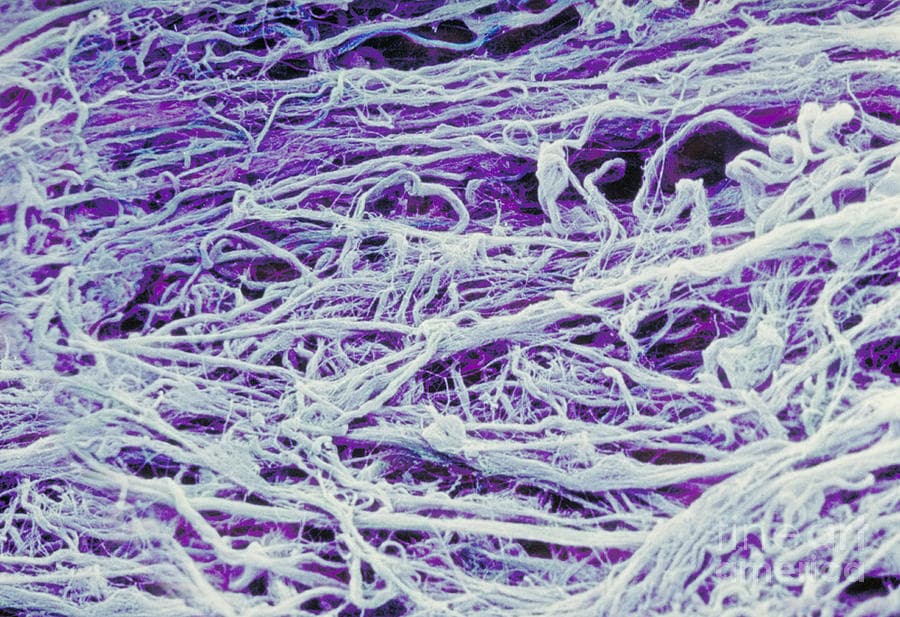
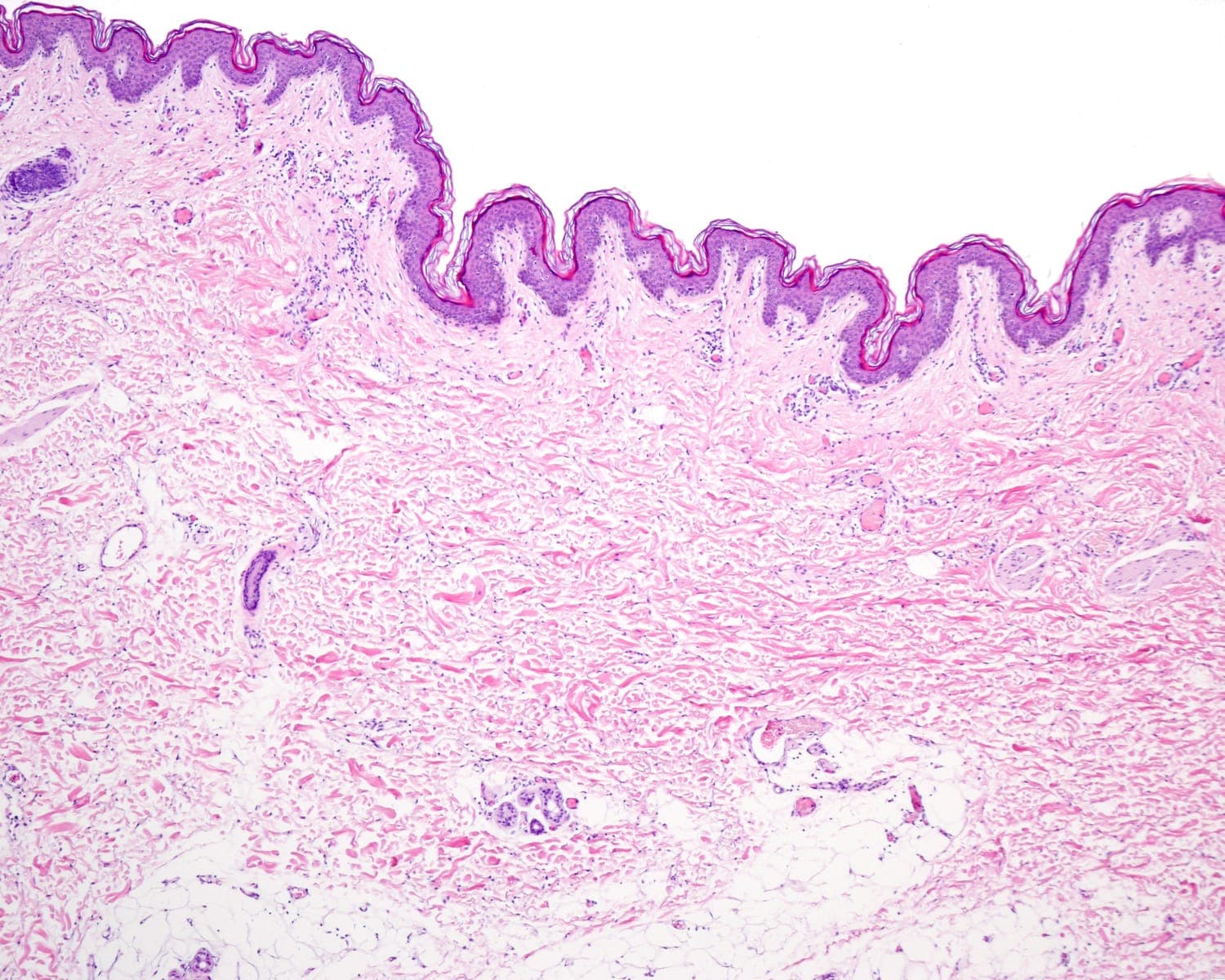
Dermal collagen fibers under electron microscopy
Target
Fragmented collagen Types I & III
Mechanism
Lab-engineered recombinant enzymes that act as precision molecular scissors.
Effect
Clears old collagen debris, triggers fibroblast activation, new collagen matrix forms with improved structure.
Clinical Indications
How Collagenase G & H targets specific concerns, across face and body treatments.
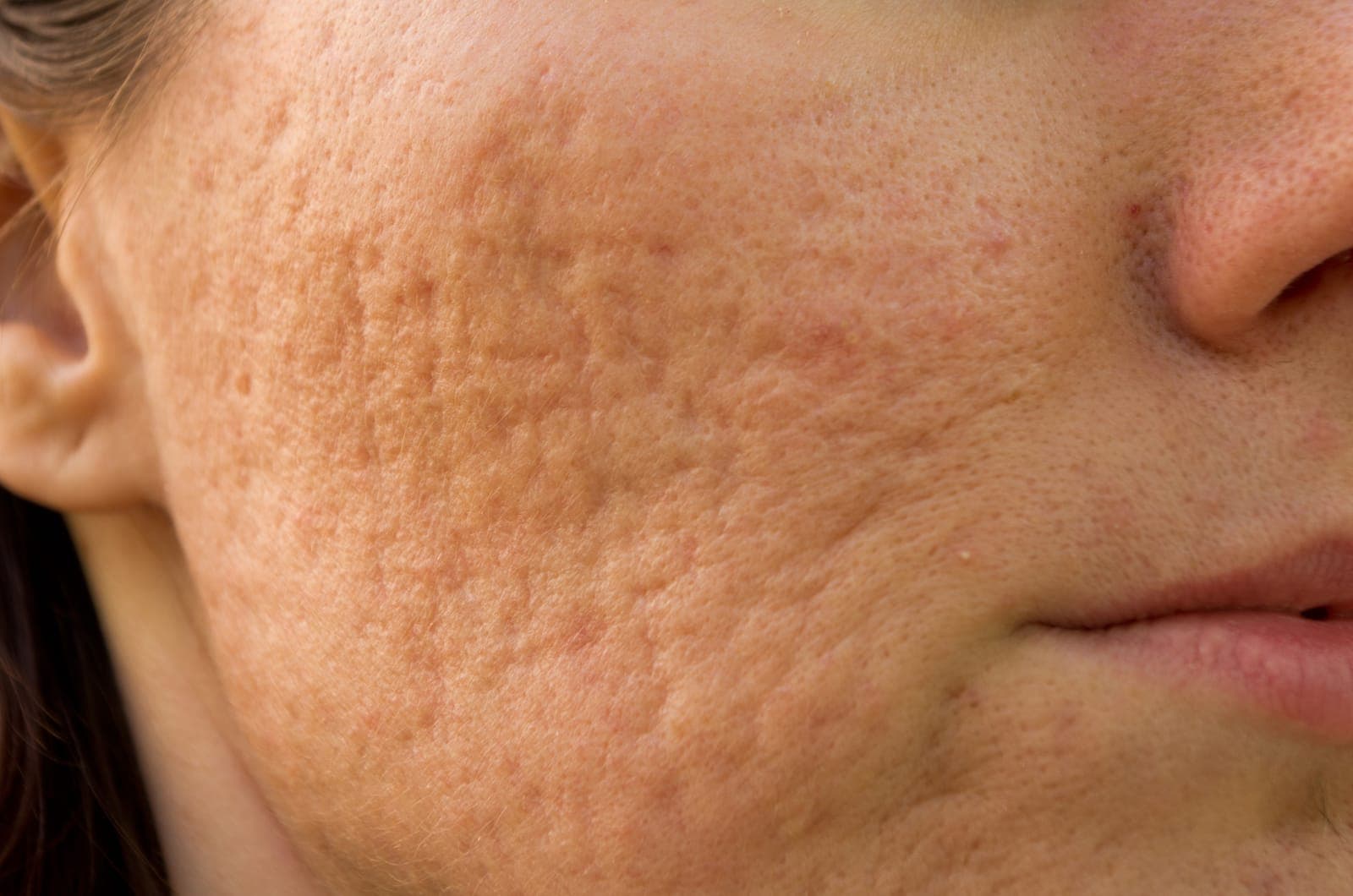
Acne Scars
Atrophic and hypertrophic acne scars are built from fibrotic collagen scaffolding that resists the body's own remodeling. Collagenase selectively breaks this scaffolding down, allowing fibroblasts to rebuild properly organized dermal tissue. A 2025 prospective study of 29 patients documented statistically significant improvements in scar size, severity (ECCA and Goodman–Baron scales), GAIS, and dermal hydration after just 4 microneedling sessions — with zero adverse events.
Bioremodeling Cascade
Collagenase G & H acts primarily in the Reset phase — enzymes clear damaged, fragmented tissue — collagen debris, excess ha, fat deposits, matrix congestion.
Enzymes clear damaged, fragmented tissue — collagen debris, excess HA, fat deposits, matrix congestion.
The cleared environment responds optimally to active ingredients — growth factors, peptides, vitamins, antioxidants reach fibroblasts directly.
Home care supports regeneration with keratinase-enhanced penetration.
Enzyme synergies
Lyase clears ECM congestion, exposing more collagen fragments for collagenase to act on. Combined use enhances overall tissue reset.
View enzyme →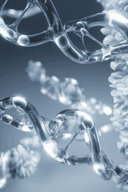
Hyaluronidase breaks down excess HA in the matrix, complementing collagenase's structural cleanup for comprehensive tissue remodeling.
View enzyme →Products containing Collagenase G & H
Available across 3 product lines, priced in USD.
pbserum Reveal
· 3 products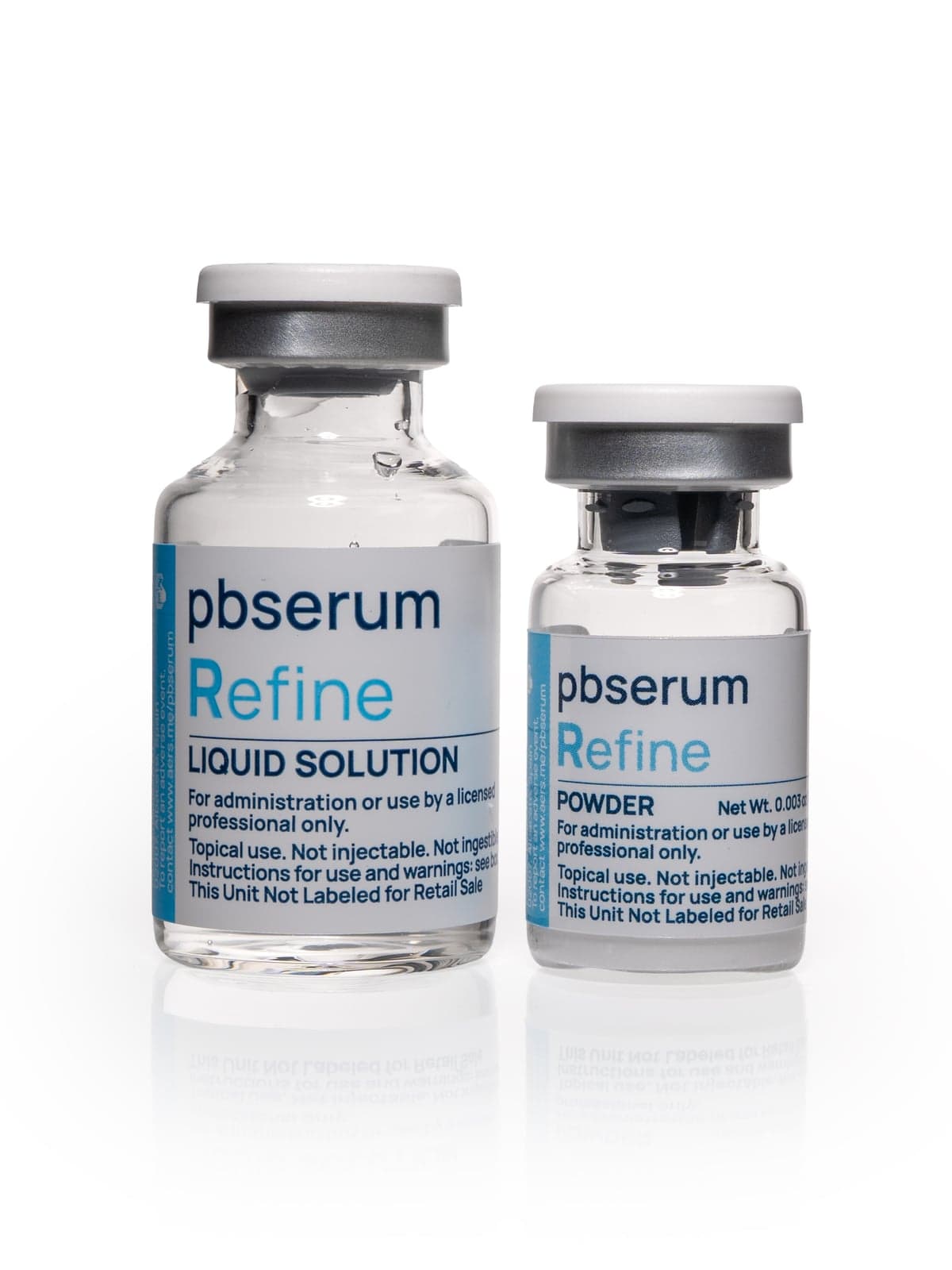
pbserum Reveal Refine
Lyase PB72K-led triple enzyme system for facial contouring. Decongests the extracellular matrix and improves drainage for a firmer, more sculpted look.
Contents: Lyophilized triple enzyme system + Reconstitution solution
From
US$175.78 (excl. tax)
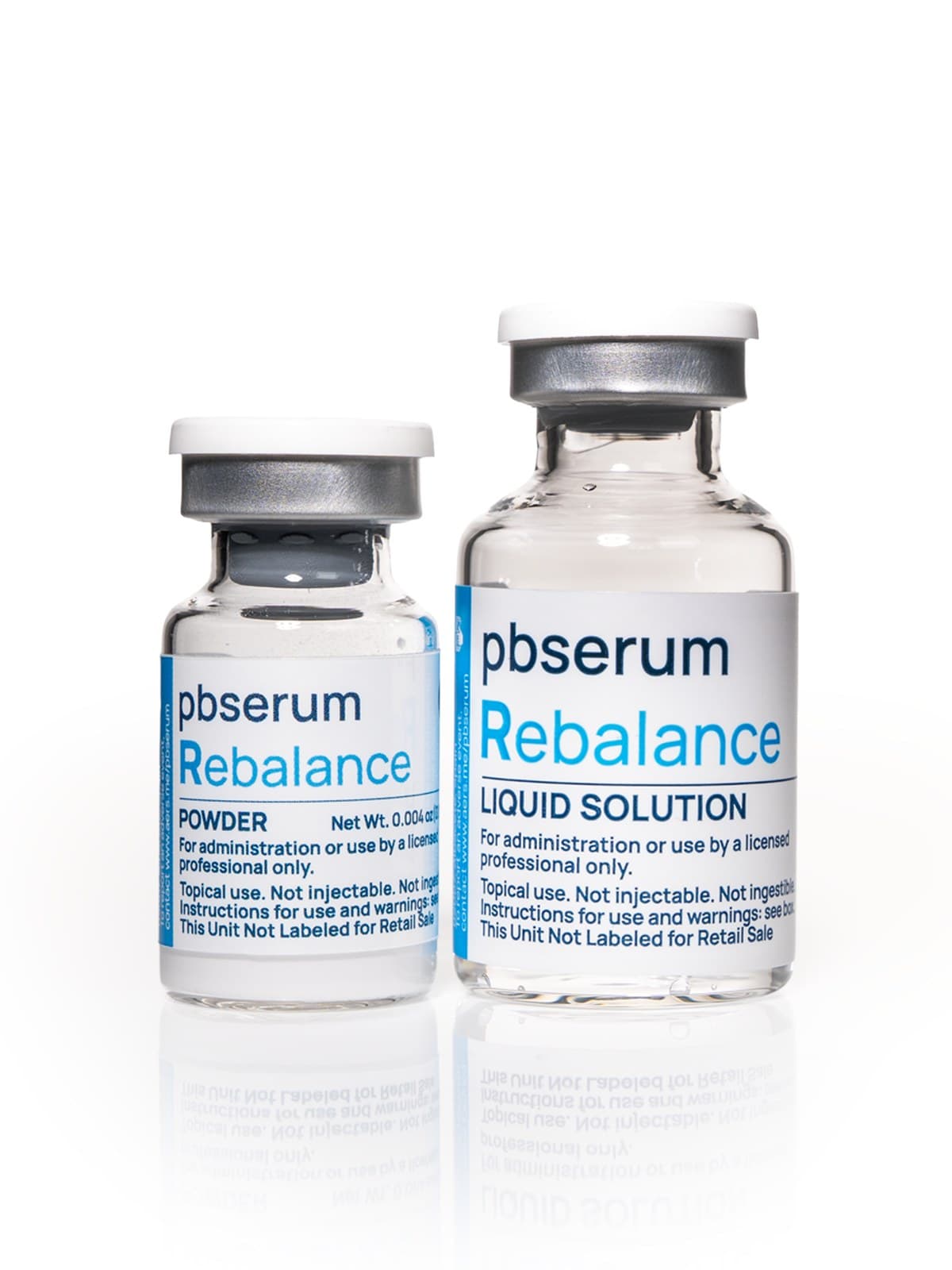
pbserum Reveal Rebalance
Lipase PB500 enzyme for body contouring and submental fat. Reduces adipose tissue by breaking down triglycerides without harming adipocyte membranes.
Contents: Lyophilized triple enzyme system + Reconstitution solution
From
US$199.22 (excl. tax)
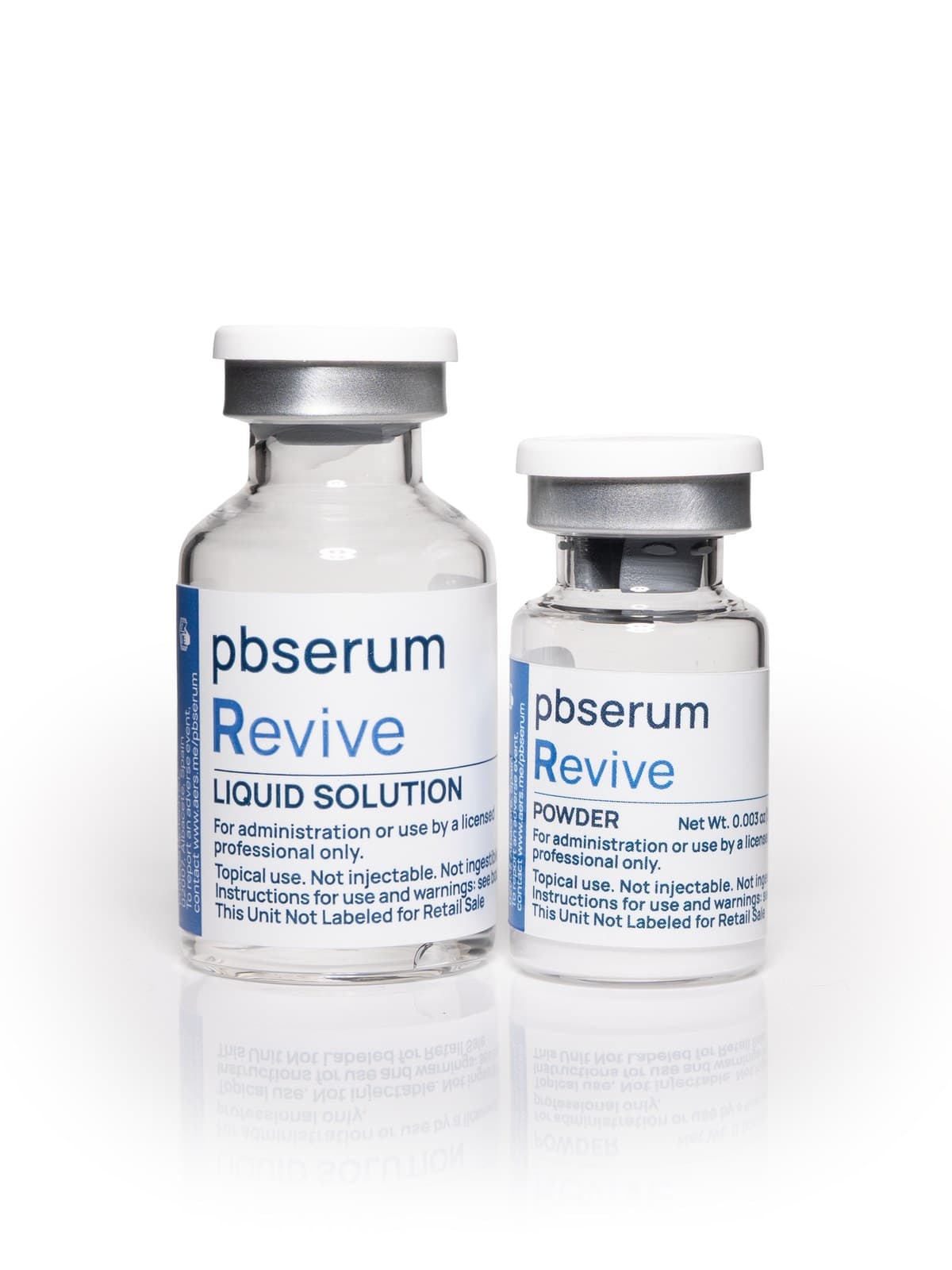
pbserum Reveal Revive
Collagenase G&H PB220-led triple enzyme system for skin retractions and visible marks. Degrades fragmented collagen and stimulates fibroblasts to rebuild functional fibers.
Contents: Lyophilized triple enzyme system + Reconstitution solution
From
US$210.94 (excl. tax)
pbserum Plus
· 1 product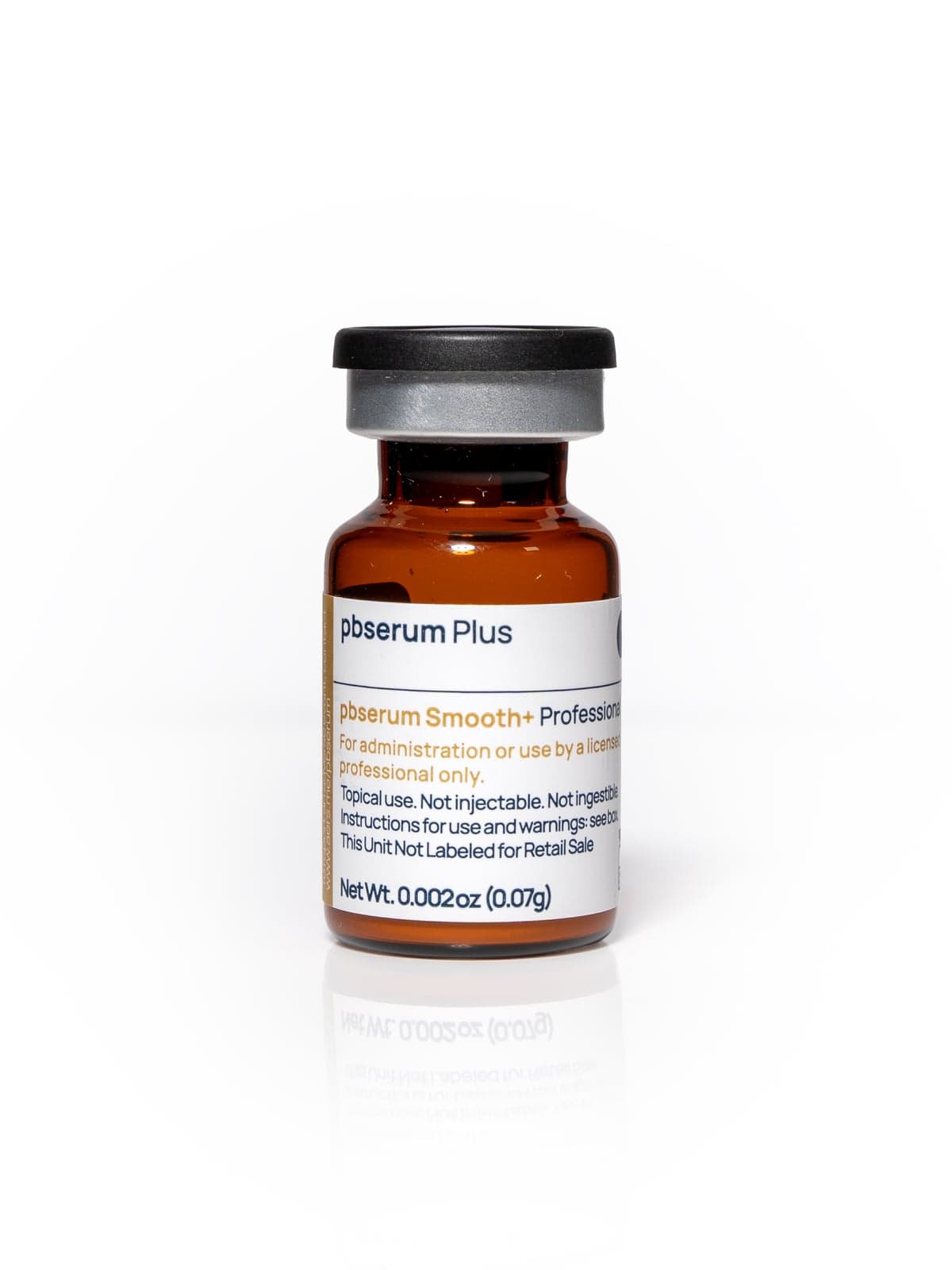
pbserum Veluria
· 2 products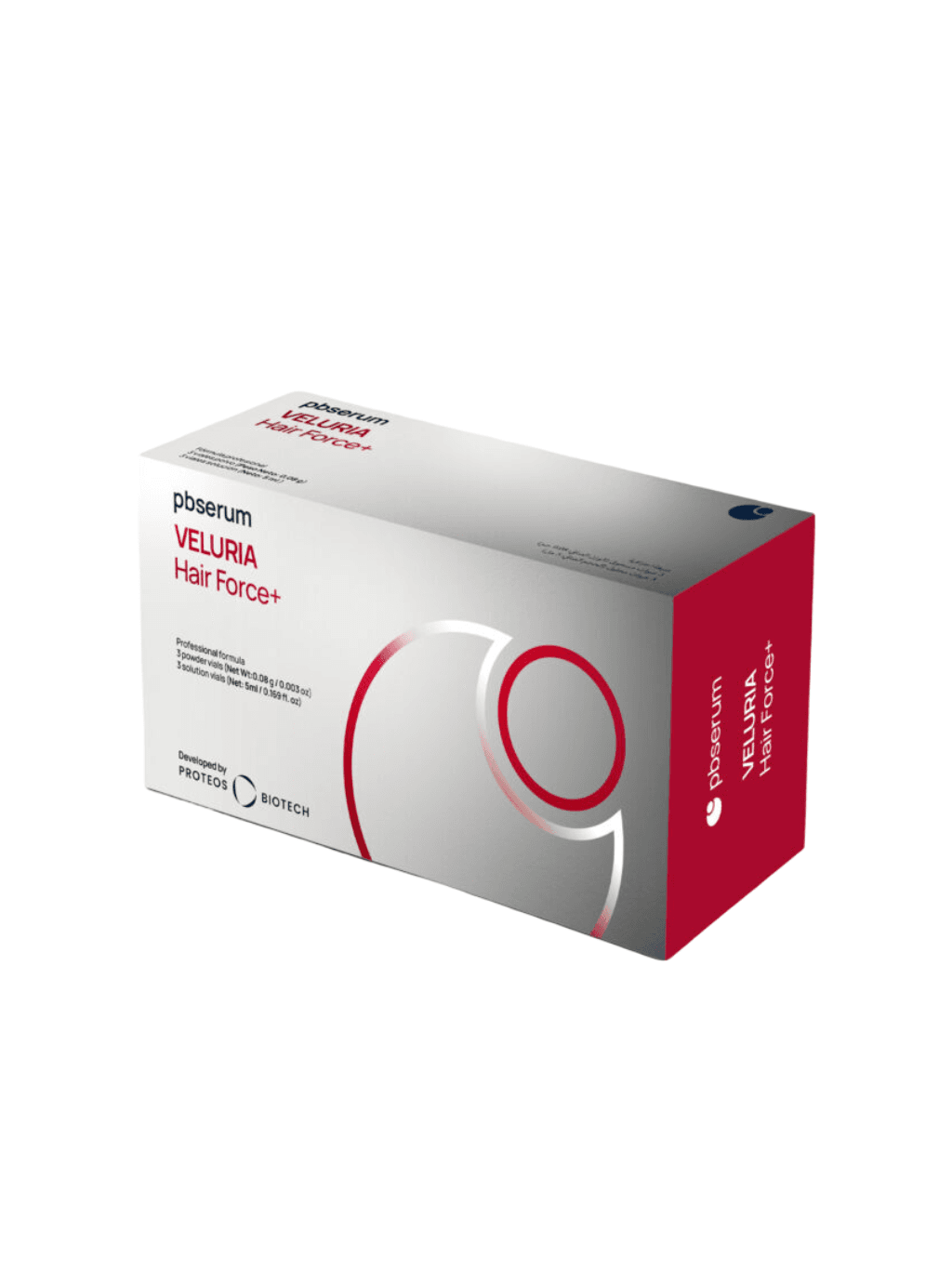
pbserum Veluria Hair Force+
Collagenase and hyaluronidase with vitamins and natural extracts. Stimulates follicles after enzymatic reset for visibly stronger, fuller hair.
Contents: 3 powder vials (0.08g) + 3 solution vials (5ml)
From
US$146.66 (excl. tax)
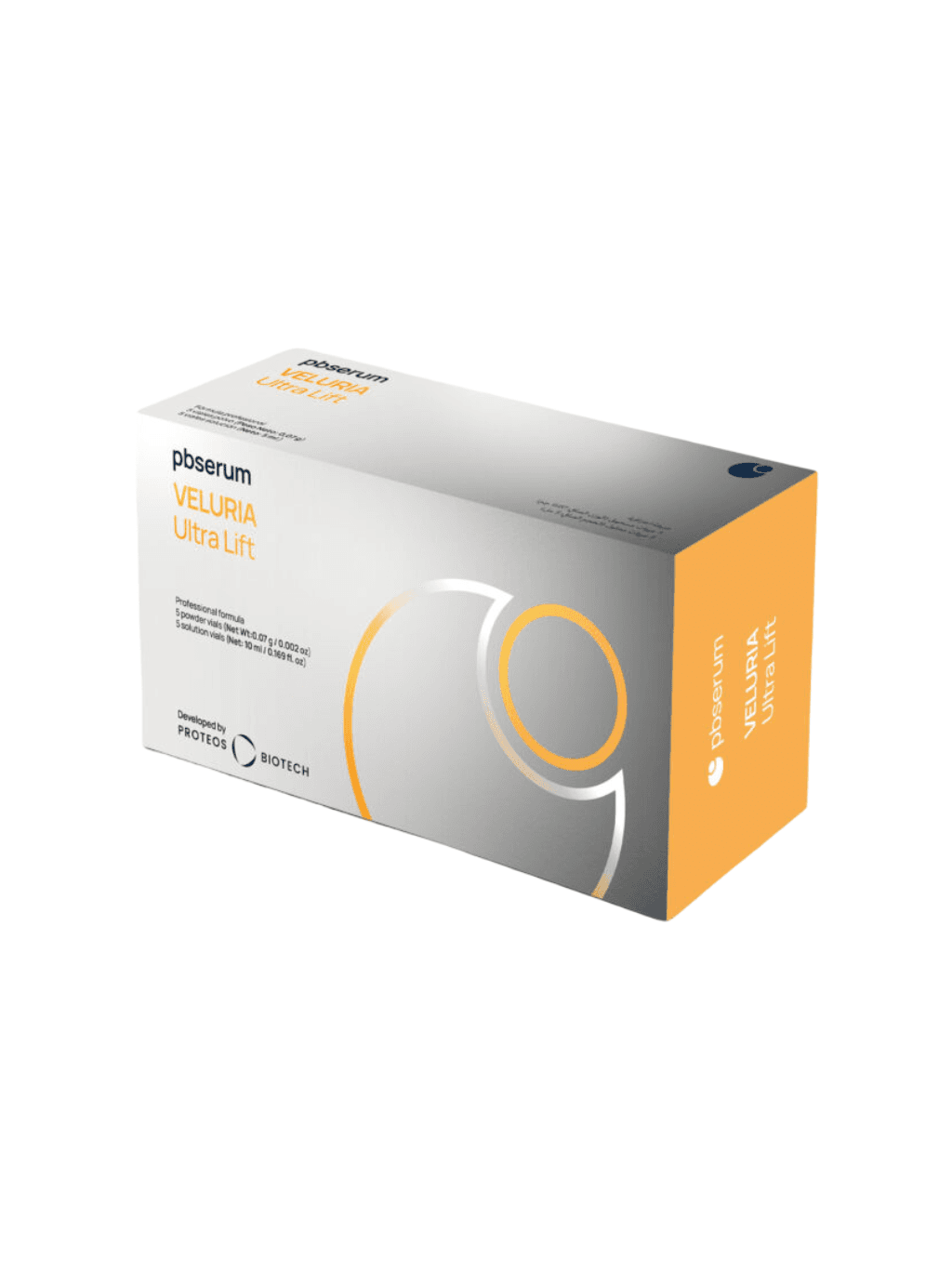
pbserum Veluria Ultra Lift
Collagenase, DMAE, vitamins C and E, and HA for firming and lifting. Biotechnological blend for firmer, more radiant skin after each session.
Contents: 5 powder vials (0.07g) + 5 solution vials (5ml)
From
US$146.66 (excl. tax)
Deeper look at Collagenase G & H
Mechanism, clinical benefits, and technical specifications
The underlying biochemistry
Collagenase G and H are a pair of enzymes originally discovered in a bacteria called Clostridium histolyticum — now manufactured in the lab as pure, engineered proteins. Unlike the body's own collagen-breaking enzymes, which can only make small cuts at specific spots in collagen, these bacterial enzymes break collagen down completely. PBSERUM PB220 is made with a second-generation production method: the ColG and ColH genes are built directly into the DNA of the production bacteria, which removes the need for antibiotics during manufacture. The two enzymes are then purified separately and combined in precise proportions — delivering pharmaceutical-grade purity, without the contaminants or batch-to-batch variation of older crude extracts.
Mechanism in detail
Two enzymes working together. ColG and ColH are two versions of collagenase, each with a slightly different shape and role. Together they use a unique two-step "chew-and-digest" mechanism 5: first an open form grabs and unwinds a collagen fiber, then a closed form wraps around it and cuts it into pieces 6. This is why they can reach and remodel the deep, cross-linked collagen that builds up in aged and scarred skin — the kind of collagen that topical retinoids, chemical peels, and laser treatments can only work around, not through.
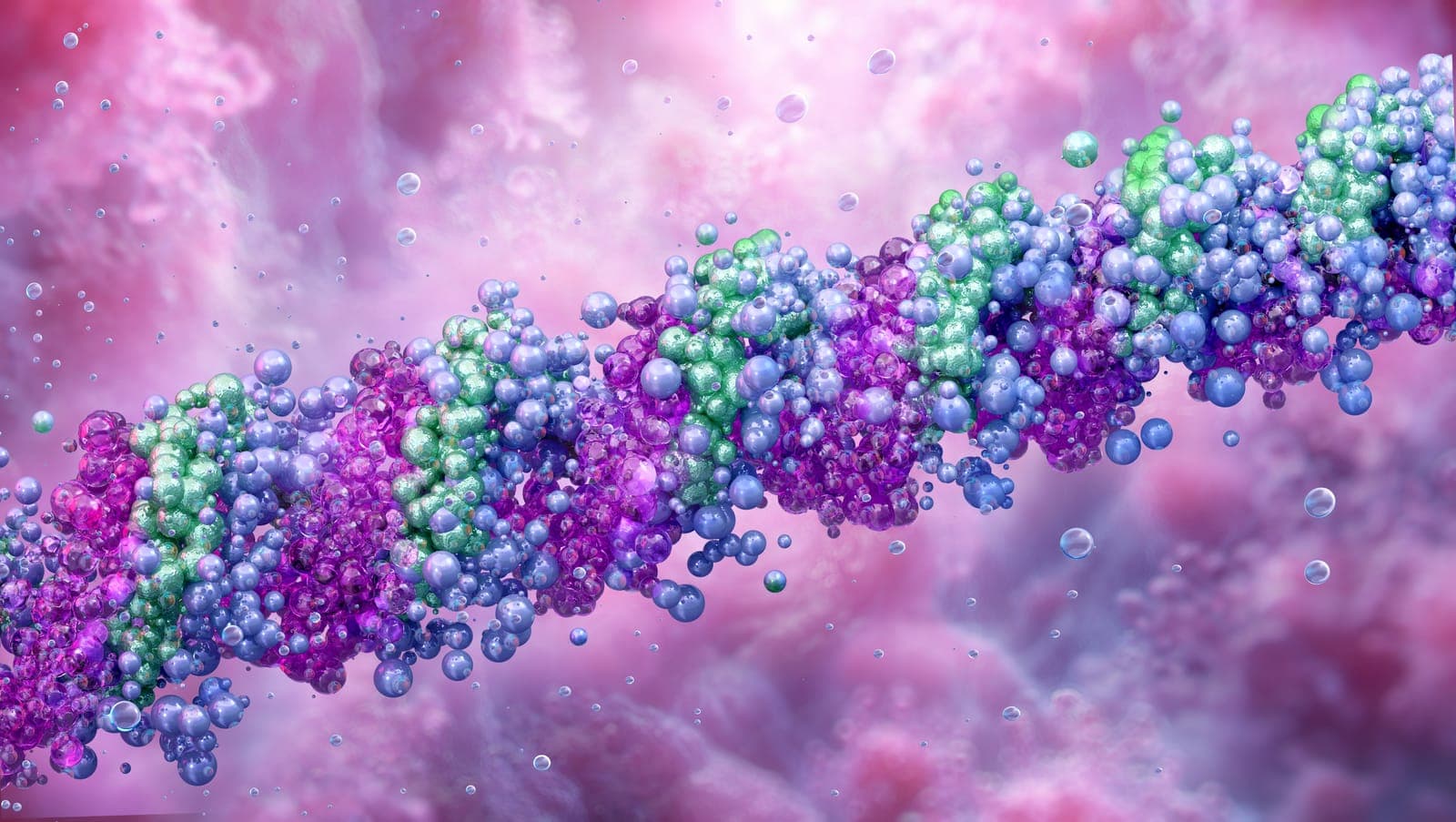
Two different jobs, not the same. ColG and ColH each target different parts of the collagen network. ColH is the main workhorse — it breaks down Type I and Type III collagen, the main types found in scars, aged skin, and the fibrous bands of cellulite. ColG has a more specific role: it targets Type V collagen, a regulatory collagen that holds collagen bundles together 7. In PB220 the two enzymes work as a team — ColH clears the bulk of damaged fibers, while ColG dismantles the scaffolding that keeps disorganized bundles in place. The result is precise: amorphous, aged collagen is cleared, while healthy, properly organized collagen is left intact.
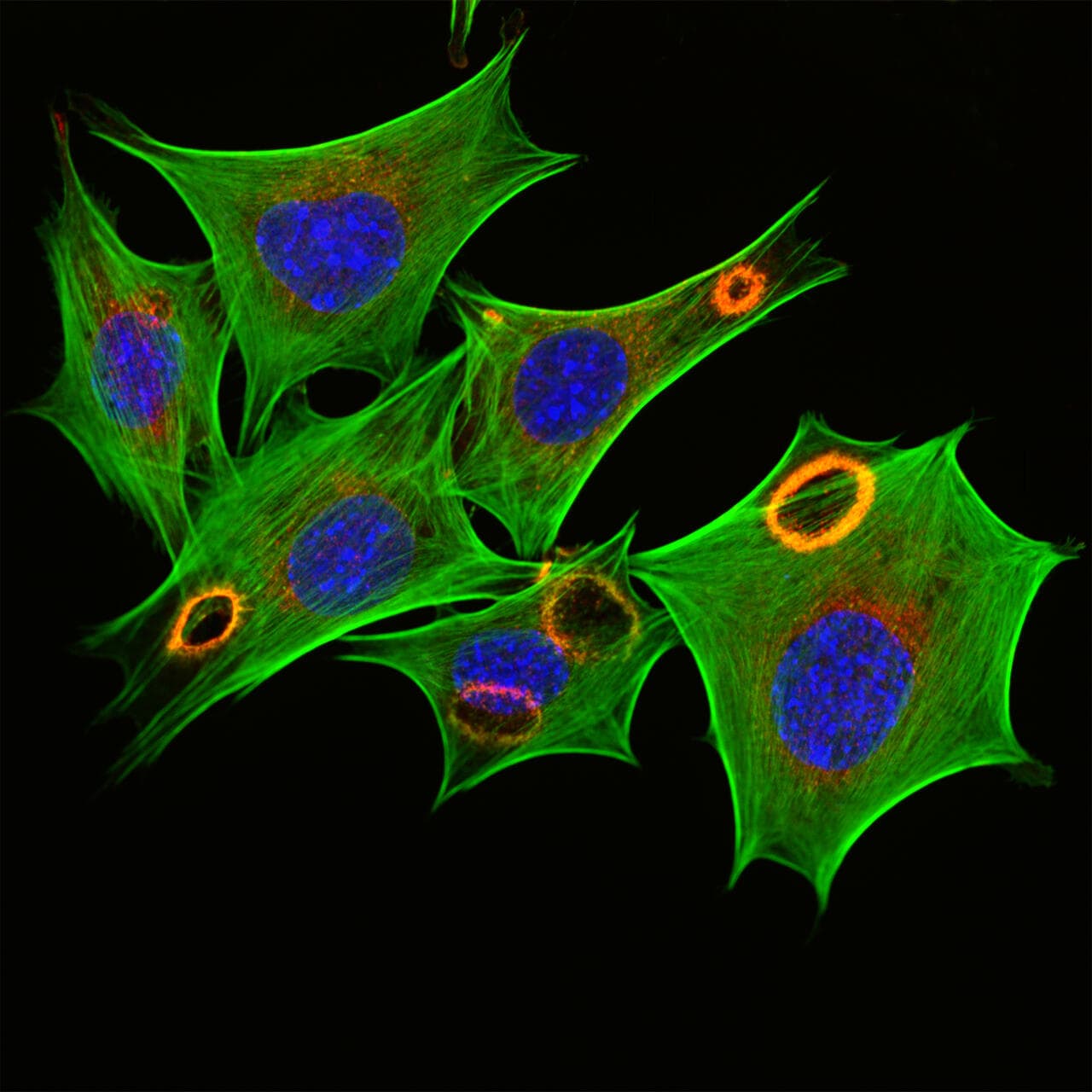
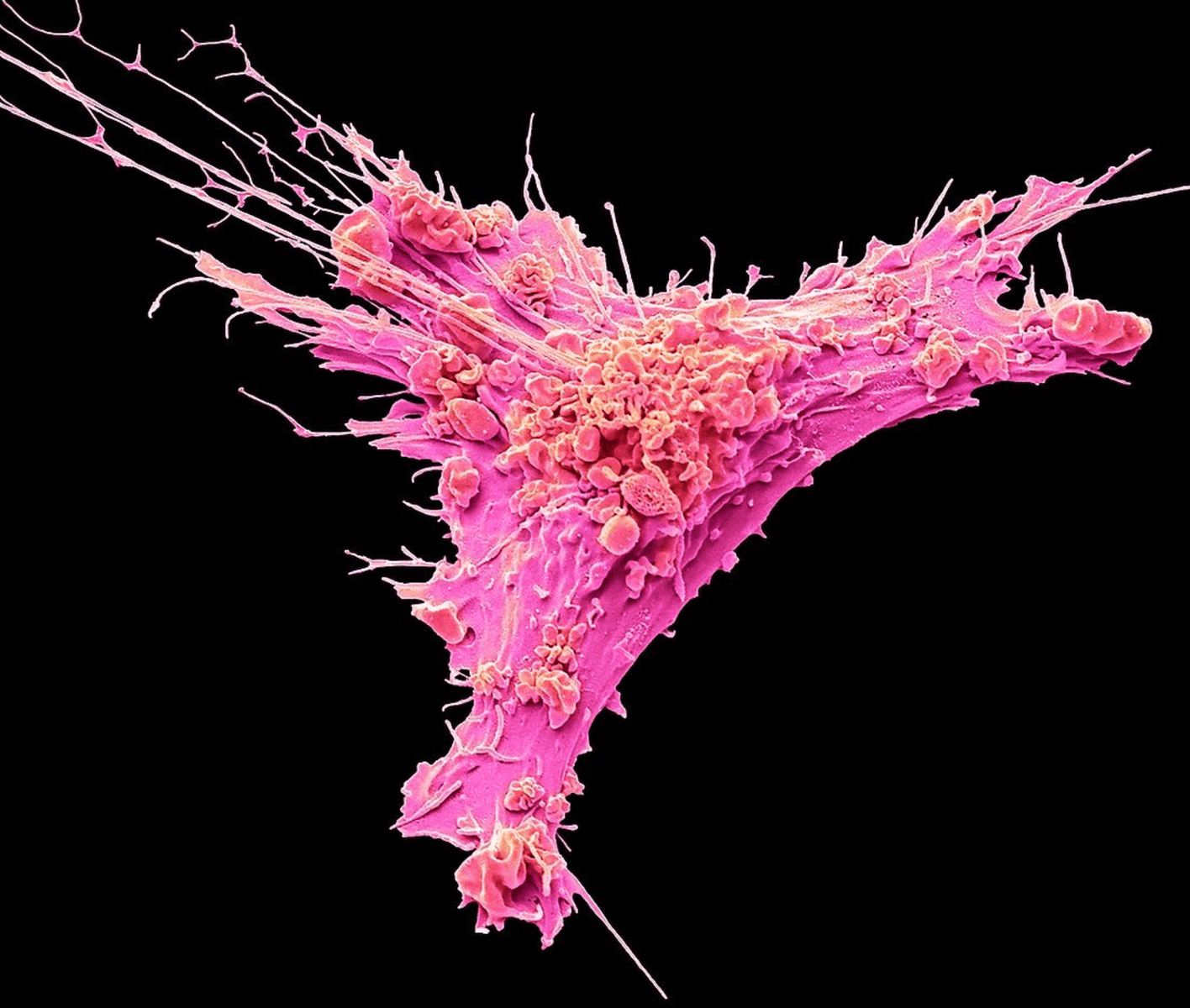
Reactivating your skin's collagen factories. In aged and scarred skin, the collagen network is full of broken fragments — and these broken fibers fail to give fibroblasts (the skin's collagen-making cells) the mechanical "grip" they need to do their job. When fibroblasts can't spread and anchor properly, they stop making new collagen and even start producing enzymes that break down collagen further — a self-worsening cycle. By clearing away the broken collagen, ColG and ColH restore the physical environment fibroblasts need: they re-attach, stretch out, and switch back on, producing fresh, properly organized collagen instead of disorganized scar tissue.
Clinical evidence. A 2025 study published in a peer-reviewed dermatology journal 1 followed 29 patients treated with PBSERUM Specific Acne Scars (ColG+ColH combined with Lyase and active ingredients, applied through microneedling). After just 4 sessions, patients showed statistically significant improvements on standard scar severity scales (ECCA, Goodman–Baron, GAIS), measurable reductions in scar size, and better skin hydration — with no adverse events reported. Separate case series have also documented PB220 successfully resolving late-onset swelling after hyaluronic acid fillers 2, stubborn cellulite fibrosis 3, and even non-surgical treatment of epidermoid cysts 4 — again, all without adverse events.
Clinical benefits
- Remodels atrophic and hypertrophic scars — statistically significant improvements in scar size, severity (ECCA, Goodman-Baron) and GAIS over 4 microneedling sessions
- Resolves late-onset periocular filler edema and fibrotic capsules when combined with hyaluronidase, avoiding post-hyaluronidase syndrome
- Reduces cellulite-associated fibrosis by targeting thick collagen septa of edematous fibrosclerotic panniculopathy
- Dissolves benign fibrotic lesions non-surgically — foreign body granulomas and epidermoid cysts with no recurrence at 4-year follow-up
- Stimulates neocollagenesis — clears fragmented collagen, restoring fibroblast mechanotransduction and driving organized Type I/III deposition
- Selective debridement — degrades amorphous, photoaged, and cross-linked collagen while sparing intact functional matrix
- Zero adverse events reported across all published PB220 clinical case series to date
Technical profile
- Product code
- PB220
- Enzyme class
- Zinc-dependent metalloprotease (M9 family / peptidase clan MA)
- EC number
- EC 3.4.24.3 (microbial collagenase)
- Source organism
- Recombinant — genes originally from Clostridium histolyticum, expressed in non-pathogenic host
- Production
- 2nd-generation recombinant DNA; chromosomal integration (plasmid- and antibiotic-free)
- ColG (Class I)
- ~116 kDa — cleaves Type I, III, and V collagen; unwinds microfibril scaffolding
- ColH (Class II)
- ~110 kDa — highest collagenolytic activity; bulk degradation of Type I & III
- Catalytic mechanism
- Chew-and-digest two-state — open recognition, closed hydrolysis at Gly–X bonds
- Cofactors
- Zn²⁺ (catalytic) + Ca²⁺ (structural/stability)
- pH optimum
- 7.0–7.5 (physiological)
- Thermal stability
- Tm ~54 °C with Ca²⁺; reversibly drops to ~49 °C without Ca²⁺
- Specificity
- Strict — Gly at P3/P1', Pro at P2/P2'; does not cleave elastin, laminin, fibronectin, or keratin
- Purity
- Pharmaceutical-grade; free of clostripain, neutral proteases, and endotoxin
- Storage
- Lyophilized, preservative-free; reconstituted before use
Scientific references
Peer-reviewed research underpinning the mechanism and clinical evidence above.
- 1Batistella M, Santaella E, Oliveira S, et al.. Pbserum Specific Acne Scars: a cutting-edge approach utilizing triple enzymatic synergy combined with microneedling for post-acne scar repair. Acta Dermatovenerol Alp Pannonica Adriat, 2025.
Prospective study of 29 patients, 4 microneedling sessions. Significant improvements in scar size (EvaFace), dermal hydration (Moisturemeter D), severity (ECCA, Goodman-Baron), GAIS, and patient satisfaction. Zero adverse events.
- 2Castelanich DG, Parra Hernández LA, Martinez Amado A, et al.. Combined Application of Hyaluronidase and Collagenase for Late-Onset Edema in Periocular Area After Hyaluronic Acid Volume Repositioning. Cureus, 2024.
Six cases of periocular edema post-HA filler resolved with single treatment of 1,500 IU hyaluronidase + collagenase GH PB220 via cannula. Statistically significant aesthetic improvements, no complications.
- 3Santaella-Sosa E, Bageorgou F, Castelanich DG, López Berroa J. Effectiveness of cellulite treatment with combined enzymatic therapy. Acta Dermatovenerol Alp Pannonica Adriat, 2024.
Case series of 4 women with edematous fibrosclerotic panniculopathy treated with recombinant lyase + lipase + collagenase over 3 sessions. Improvement in skin appearance and fibrosis without adverse events.
- 4Castelanich DG, Parra Hernández LA, Chacín M. Successfully nonsurgical epidermoid cyst management with recombinant hydrolytic enzymes. Clin Cosmet Investig Dermatol, 2024.
Facial epidermoid cyst (9.3×6.6×9.3 mm) resolved by intralesional hyaluronidase + collagenase + lipase. Complete dissolution at 40 days, no recurrence at 4-year follow-up.
- 5Eckhard U, Schönauer E, Nüss D, Brandstetter H. Structure of collagenase G reveals a chew-and-digest mechanism of bacterial collagenolysis. Nat Struct Mol Biol, 2011.
First crystal structure of ColG (2.55 Å). Established the two-state "chew-and-digest" mechanism: open state recognizes/unravels microfibrils, closed state further unwinds triple helix for cleavage.
- 6Eckhard U, Huesgen PF, Brandstetter H, Overall CM. Proteomic protease specificity profiling of clostridial collagenases reveals their intrinsic nature as dedicated degraders of collagen. J Proteomics, 2014.
PICS mass-spec profiling shows strong preference for Gly at P3/P1' and Pro at P2/P2', matching collagen's Gly-Pro-X motif exactly. Confirms ColG/H are dedicated collagen degraders, not general proteases.
- 7Shima H, Inagaki A, Imura T, et al.. Collagen V Is a Potential Substrate for Clostridial Collagenase G in Pancreatic Islet Isolation. J Diabetes Res, 2016.
ColH preferentially digests Types I and III; ColG uniquely digests Type V collagen. Tissue remodeling requires both — definitive evidence that ColG and ColH are complementary, not redundant.
Citations link to PubMed or DOI. Click any reference title or identifier to open the source.